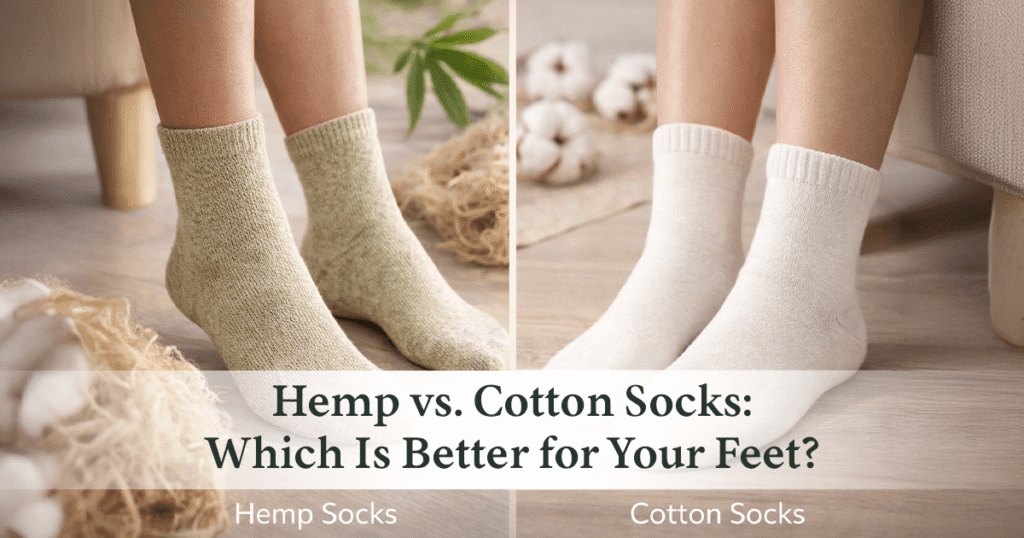
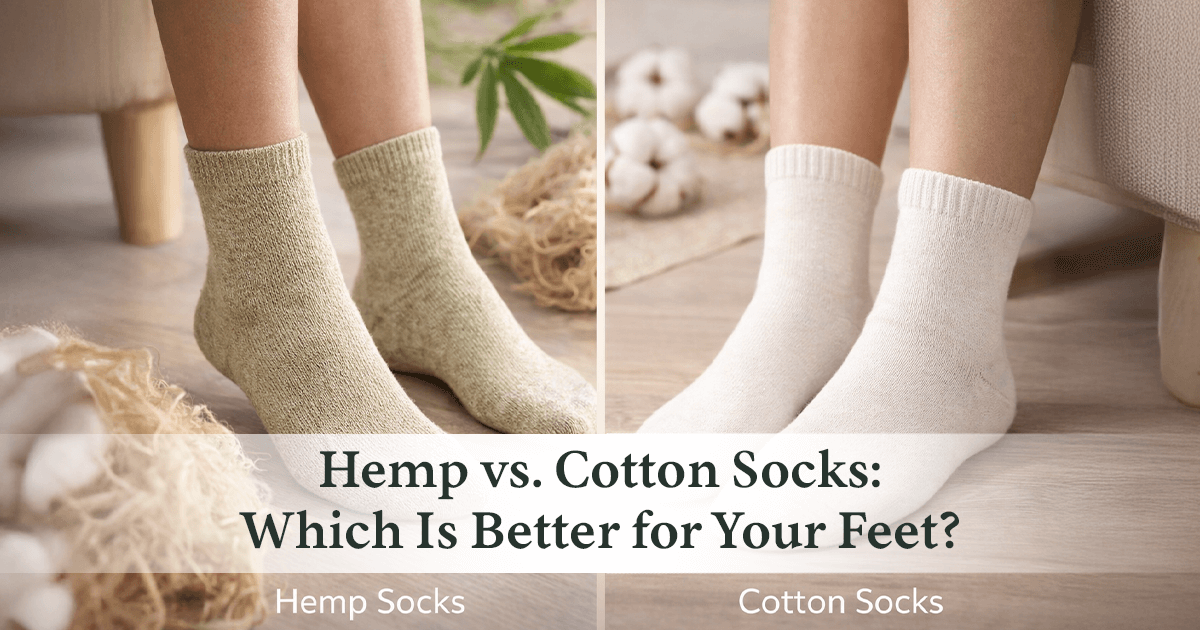
Hemp vs. Cotton Socks: Which Is Better for Your Feet?

Choosing the right socks may seem like a small decision, but it plays a major role in foot comfort, hygiene, and overall well-being. With the rising demand for natural and sustainable textiles, two fibers often stand out—hemp and cotton. Both have strong reputations, yet they serve different needs. As a responsible textile brand and emerging hemp socks manufacturer, Texcyle believes informed choices lead to better products and happier customers.

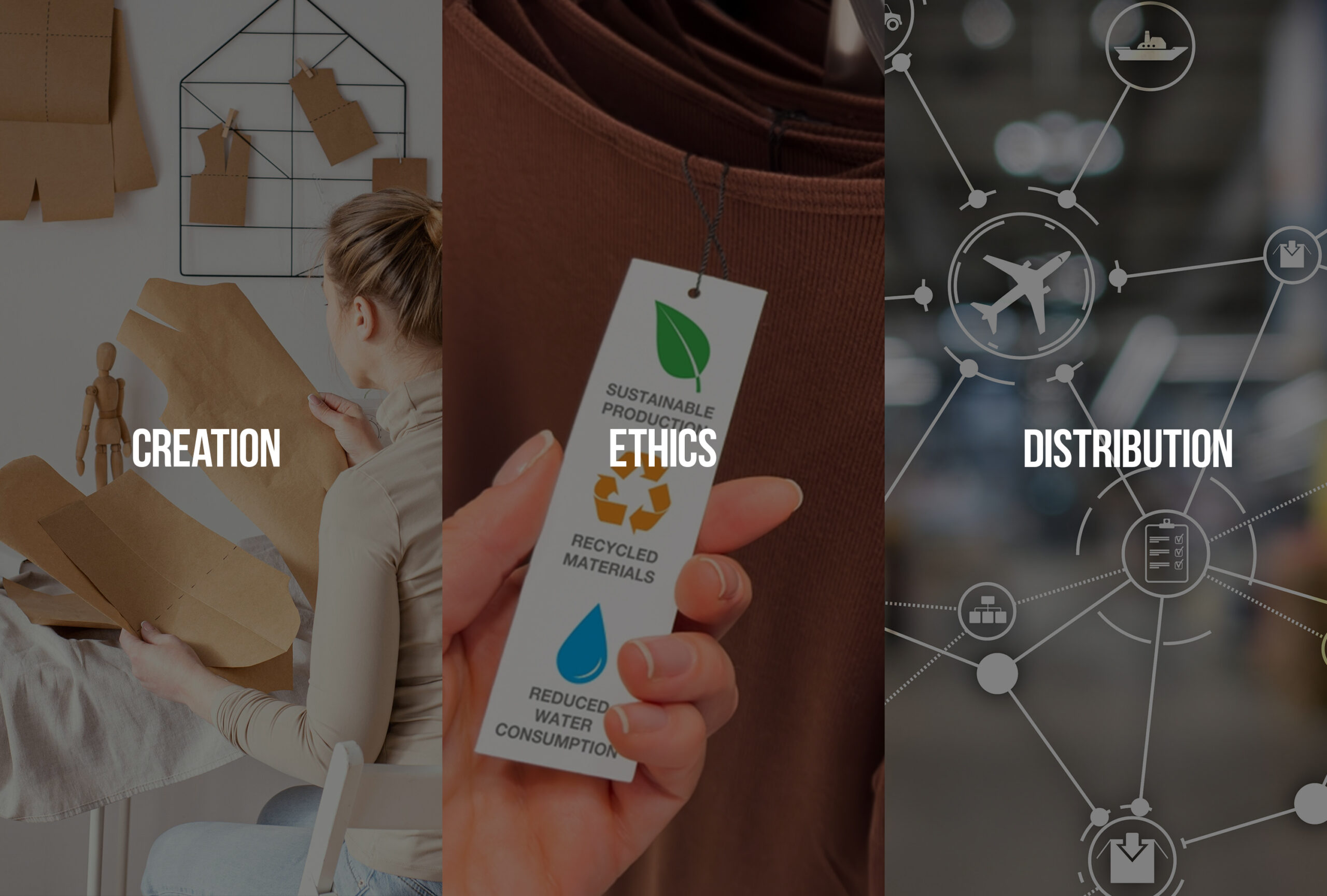
At Texcyle, our mission is to transform the socks industry through innovative and clean solutions, empowering businesses with sustainable and high-quality products. Based in Rajasthan, India, Texcyle is a sustainable socks manufacturer and distributor specializing in organic cotton socks, offering end-to-end solutions for global brands—from manufacturing and packaging to labeling and delivery.

Let’s explore hemp vs. cotton socks in detail to help you decide which is better for your feet and lifestyle.

Hemp vs. Cotton Socks: A Quick Comparison

At a glance, cotton socks are known for softness and familiarity, while hemp socks are gaining popularity for durability and sustainability. A trusted hemp socks manufacturer focuses on performance, longevity, and eco-conscious production, whereas cotton has long dominated everyday wear due to comfort and accessibility.

What Makes a Sock Comfortable for Your Feet?

Comfort depends on several factors: breathability, moisture control, softness, fit, and temperature regulation. Socks that manage sweat effectively, reduce friction, and adapt to climate conditions keep feet healthier throughout the day—whether for daily wear or performance use.

Natural Fibers Explained: Hemp vs. Cotton

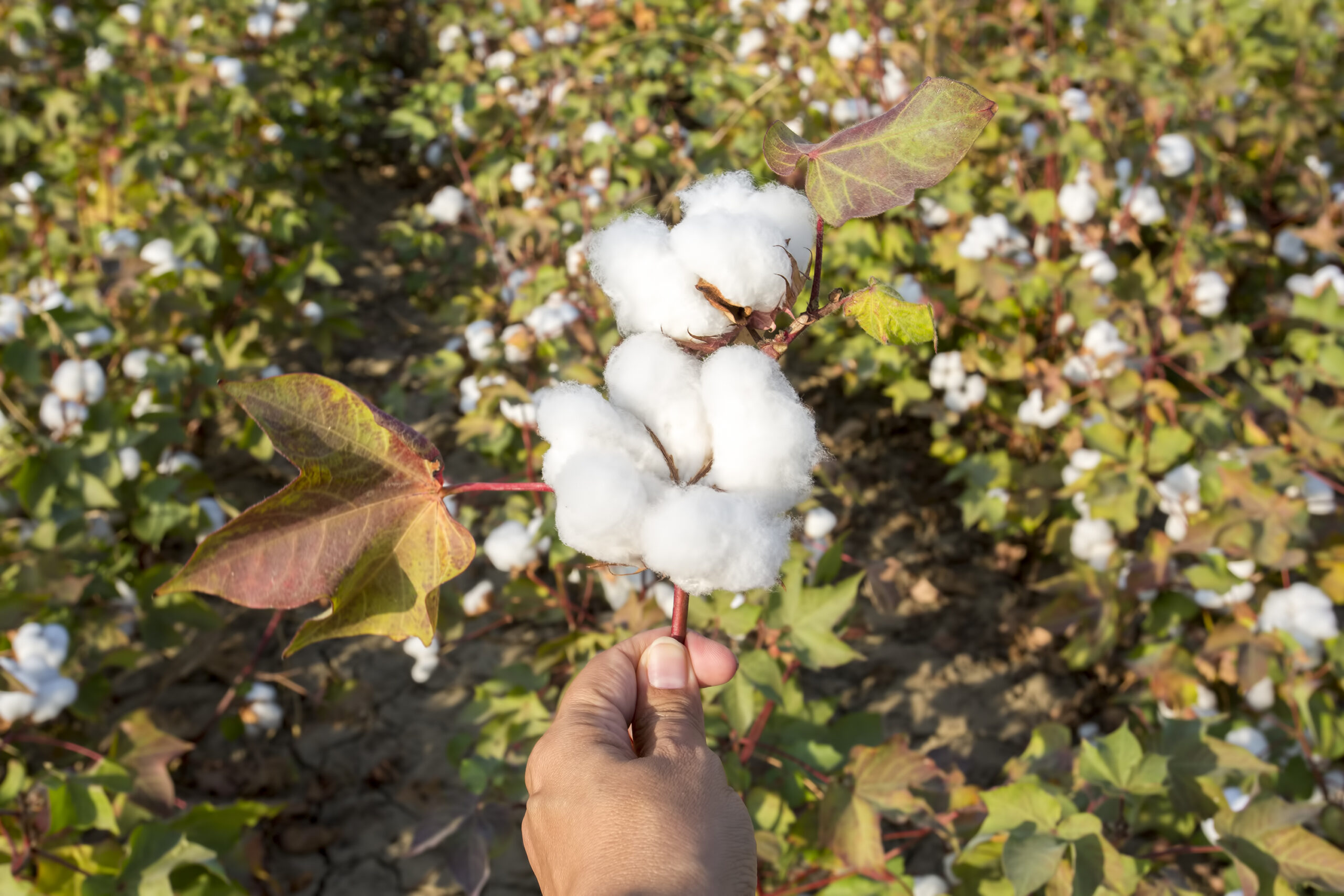
Cotton is a natural fiber harvested from cotton plants and widely used in textiles. Organic cotton improves on conventional cotton by reducing chemical use.

Hemp fiber, derived from the hemp plant, is naturally strong, breathable, and antimicrobial. Today, many global brands partner with a specialized hemp socks manufacturer to meet growing consumer demand for eco-friendly alternatives.

Breathability Battle: Which Keeps Feet Cooler?

Hemp fibers allow better airflow due to their hollow structure, making hemp socks more breathable than cotton. This helps heat escape efficiently, keeping feet cooler in warm climates. Cotton socks, while breathable, tend to trap heat when damp, especially during extended wear.

Moisture Management: Sweat Absorption Compared

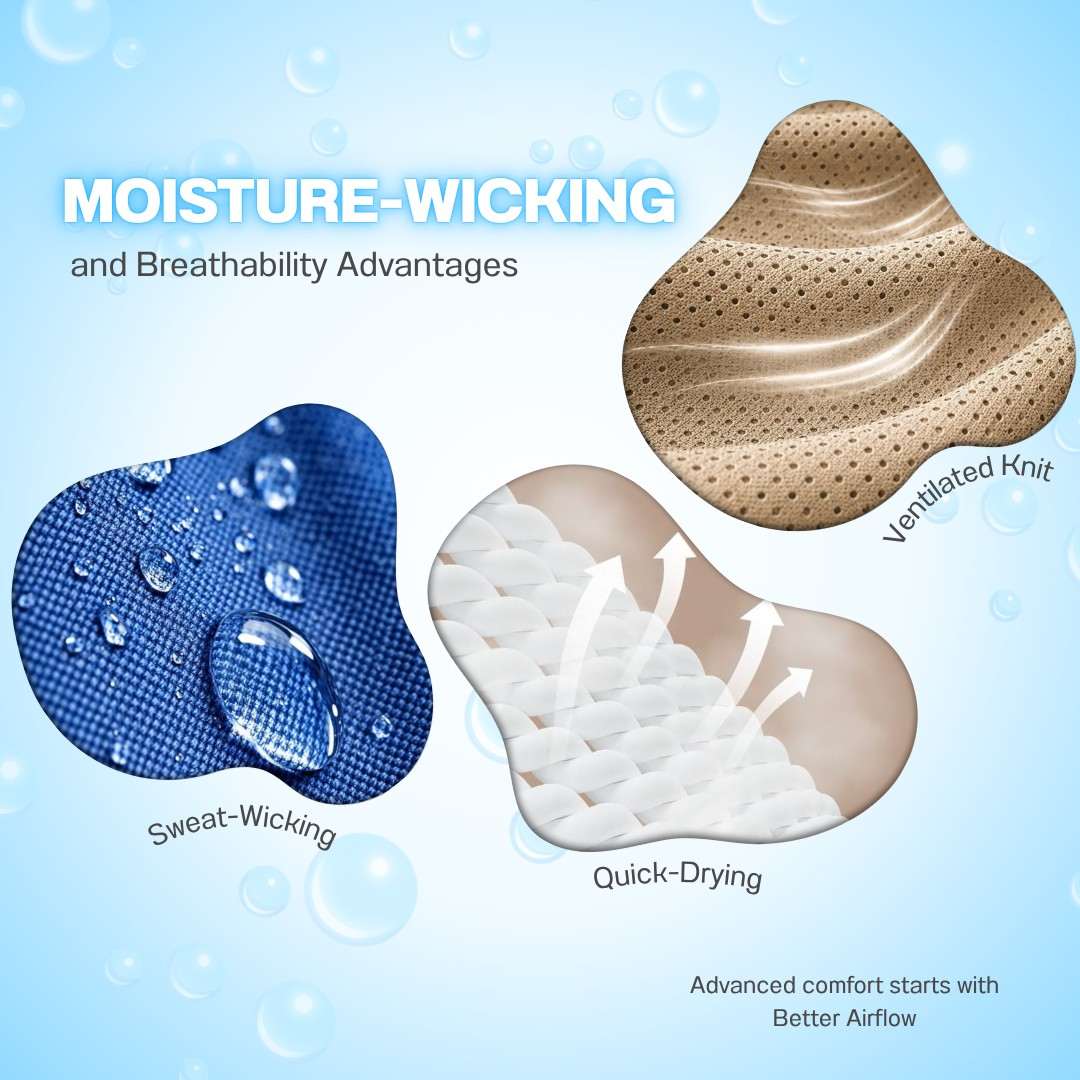
Moisture control is crucial for foot health. Hemp socks wick moisture away faster than cotton and dry quickly, reducing dampness. Cotton absorbs sweat but holds onto moisture longer, which can lead to discomfort and odor. This is why many performance-focused brands work closely with a certified hemp socks manufacturer.

Softness & Skin Feel: Which Fiber Feels Better?

Cotton socks are instantly soft and gentle, making them ideal for sensitive skin. Hemp, though traditionally coarse, has evolved significantly. Modern processing techniques used by advanced hemp socks manufacturer facilities now produce hemp socks that are soft, smooth, and comfortable—especially when blended with organic cotton.

Durability Test: Which Socks Last Longer?
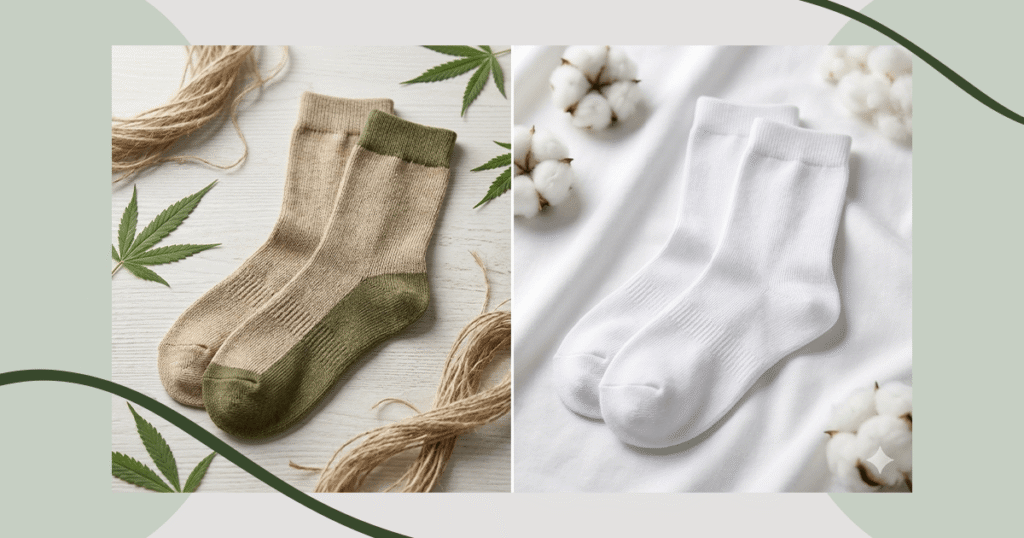
Hemp fiber is naturally stronger than cotton. Hemp socks resist wear and tear, maintain shape, and withstand frequent washing. Cotton socks, while comfortable, tend to thin and lose elasticity over time. For long-term use, durability is a key reason brands source from a reliable hemp socks manufacturer.

Odor Resistance: Staying Fresh All Day

Hemp has natural antibacterial properties that inhibit odor-causing bacteria. This keeps hemp socks fresher for longer periods. Cotton lacks inherent odor resistance, making it more prone to unpleasant smells during active use.

Temperature Regulation: Summer & Winter Performance

Hemp socks adapt well across seasons. They stay cool in summer and provide insulation in winter by regulating body temperature naturally. Cotton socks perform well in moderate conditions but may feel cold when damp or overly warm in heat.

Skin Sensitivity & Hypoallergenic Benefits

Hemp is naturally hypoallergenic and resistant to mold and bacteria, making it suitable for sensitive skin. Cotton is also skin-friendly, especially organic cotton. Many global buyers, including those sourcing from a hemp socks manufacturer Russia, value hemp for medical and wellness-focused collections.

Sustainability Factor: Hemp vs. Cotton Impact

Hemp is one of the most sustainable fibers available. It requires less water, grows quickly, and enriches soil health. Cotton—even organic cotton—demands more water and land. Sustainability-driven brands increasingly partner with a certified hemp socks manufacturer to reduce environmental impact.

Washing, Care & Longevity

Hemp socks retain strength after repeated washes and resist shrinkage. Cotton socks need gentle care to maintain softness and shape. Over time, hemp socks typically outlast cotton counterparts, offering better value.

Everyday Wear vs. Performance Use

Cotton socks are ideal for casual, everyday comfort. Hemp socks excel in performance settings such as yoga, hiking, travel, and workwear. This versatility makes hemp an attractive option for brands targeting both lifestyle and active consumers.

Hemp or Cotton: Which Is Better for Different Lifestyles?
  • Office & casual wear: Cotton socks for softness
  • Active & outdoor lifestyles: Hemp socks for breathability and durability
  • Eco-conscious consumers: Hemp socks from a responsible hemp socks manufacturer
  • Sensitive skin users: Hemp or organic cotton blends

Brands supplying global markets, including collaborations with a hemp socks manufacturer Russia, increasingly prefer hemp-based solutions for sustainability-driven consumers.

Final Verdict: Hemp Socks or Cotton Socks?

Both hemp and cotton socks have their strengths, but hemp clearly leads in durability, odor resistance, moisture management, and sustainability. Cotton remains a comfortable, familiar choice for everyday wear. For brands looking to innovate responsibly, partnering with an experienced hemp socks manufacturer offers a competitive edge.

At Texcyle, we combine textile expertise with sustainable practices to help global brands create socks that are comfortable, durable, and planet-friendly—whether in organic cotton or advanced hemp blends.

Call to Action

Looking for a reliable and sustainable socks manufacturing partner?
Email us at 📧 info@texcyle.co
or
Call Us Today 📞 +91 7982201014

Leave a Reply

Your email address will not be published. Required fields are marked *

Choosing the right socks may seem like a small decision, but it plays a major role in foot comfort, hygiene, and overall well-being. With the rising demand for natural and sustainable textiles, two fibers often stand out—hemp and cotton. Both have strong reputations, yet they serve different needs. As a responsible textile brand and emerging hemp socks manufacturer, Texcyle believes informed choices lead to better products and happier customers.

At Texcyle, our mission is to transform the socks industry through innovative and clean solutions, empowering businesses with sustainable and high-quality products. Based in Rajasthan, India, Texcyle is a sustainable socks manufacturer and distributor specializing in organic cotton socks, offering end-to-end solutions for global brands—from manufacturing and packaging to labeling and delivery.

Let’s explore hemp vs. cotton socks in detail to help you decide which is better for your feet and lifestyle.

Hemp vs. Cotton Socks: A Quick Comparison

At a glance, cotton socks are known for softness and familiarity, while hemp socks are gaining popularity for durability and sustainability. A trusted hemp socks manufacturer focuses on performance, longevity, and eco-conscious production, whereas cotton has long dominated everyday wear due to comfort and accessibility.

What Makes a Sock Comfortable for Your Feet?

Comfort depends on several factors: breathability, moisture control, softness, fit, and temperature regulation. Socks that manage sweat effectively, reduce friction, and adapt to climate conditions keep feet healthier throughout the day—whether for daily wear or performance use.

Natural Fibers Explained: Hemp vs. Cotton

Cotton is a natural fiber harvested from cotton plants and widely used in textiles. Organic cotton improves on conventional cotton by reducing chemical use.

Hemp fiber, derived from the hemp plant, is naturally strong, breathable, and antimicrobial. Today, many global brands partner with a specialized hemp socks manufacturer to meet growing consumer demand for eco-friendly alternatives.

Breathability Battle: Which Keeps Feet Cooler?

Hemp fibers allow better airflow due to their hollow structure, making hemp socks more breathable than cotton. This helps heat escape efficiently, keeping feet cooler in warm climates. Cotton socks, while breathable, tend to trap heat when damp, especially during extended wear.

Moisture Management: Sweat Absorption Compared

Moisture control is crucial for foot health. Hemp socks wick moisture away faster than cotton and dry quickly, reducing dampness. Cotton absorbs sweat but holds onto moisture longer, which can lead to discomfort and odor. This is why many performance-focused brands work closely with a certified hemp socks manufacturer.

Softness & Skin Feel: Which Fiber Feels Better?

Cotton socks are instantly soft and gentle, making them ideal for sensitive skin. Hemp, though traditionally coarse, has evolved significantly. Modern processing techniques used by advanced hemp socks manufacturer facilities now produce hemp socks that are soft, smooth, and comfortable—especially when blended with organic cotton.

Durability Test: Which Socks Last Longer?

Hemp fiber is naturally stronger than cotton. Hemp socks resist wear and tear, maintain shape, and withstand frequent washing. Cotton socks, while comfortable, tend to thin and lose elasticity over time. For long-term use, durability is a key reason brands source from a reliable hemp socks manufacturer.

Odor Resistance: Staying Fresh All Day

Hemp has natural antibacterial properties that inhibit odor-causing bacteria. This keeps hemp socks fresher for longer periods. Cotton lacks inherent odor resistance, making it more prone to unpleasant smells during active use.

Temperature Regulation: Summer & Winter Performance

Hemp socks adapt well across seasons. They stay cool in summer and provide insulation in winter by regulating body temperature naturally. Cotton socks perform well in moderate conditions but may feel cold when damp or overly warm in heat.

Skin Sensitivity & Hypoallergenic Benefits

Hemp is naturally hypoallergenic and resistant to mold and bacteria, making it suitable for sensitive skin. Cotton is also skin-friendly, especially organic cotton. Many global buyers, including those sourcing from a hemp socks manufacturer Russia, value hemp for medical and wellness-focused collections.

Sustainability Factor: Hemp vs. Cotton Impact

Hemp is one of the most sustainable fibers available. It requires less water, grows quickly, and enriches soil health. Cotton—even organic cotton—demands more water and land. Sustainability-driven brands increasingly partner with a certified hemp socks manufacturer to reduce environmental impact.

Washing, Care & Longevity

Hemp socks retain strength after repeated washes and resist shrinkage. Cotton socks need gentle care to maintain softness and shape. Over time, hemp socks typically outlast cotton counterparts, offering better value.

Everyday Wear vs. Performance Use

Cotton socks are ideal for casual, everyday comfort. Hemp socks excel in performance settings such as yoga, hiking, travel, and workwear. This versatility makes hemp an attractive option for brands targeting both lifestyle and active consumers.

Hemp or Cotton: Which Is Better for Different Lifestyles?
  • Office & casual wear: Cotton socks for softness
  • Active & outdoor lifestyles: Hemp socks for breathability and durability
  • Eco-conscious consumers: Hemp socks from a responsible hemp socks manufacturer
  • Sensitive skin users: Hemp or organic cotton blends

Brands supplying global markets, including collaborations with a hemp socks manufacturer Russia, increasingly prefer hemp-based solutions for sustainability-driven consumers.

Final Verdict: Hemp Socks or Cotton Socks?

Both hemp and cotton socks have their strengths, but hemp clearly leads in durability, odor resistance, moisture management, and sustainability. Cotton remains a comfortable, familiar choice for everyday wear. For brands looking to innovate responsibly, partnering with an experienced hemp socks manufacturer offers a competitive edge.

At Texcyle, we combine textile expertise with sustainable practices to help global brands create socks that are comfortable, durable, and planet-friendly—whether in organic cotton or advanced hemp blends.

Call to Action

Looking for a reliable and sustainable socks manufacturing partner?
Email us at 📧 info@texcyle.co
or
Call Us Today 📞 +91 7982201014
Leave a Reply

Your email address will not be published. Required fields are marked *