How to Import Cotton Socks from India: A Step-by-Step Guide for International Buyers

Socks manufacturers in India are in demand now. They are increasingly gaining popularity in the foreign countries, especially amongst international retailers, distributors, fashion brands, and private label businesses. India’s well-established textile industry, skilled workforce, abundant raw material availability, and expanding hosiery manufacturing capabilities make it an attractive sourcing destination for buyers seeking high-quality products at competitive prices.

However, importing is a crucial decision to make. It requires precise planning, careful supplier selection, product planning, quality verification, and a vivid understanding of international shipping and customer procedures. 

So, Why Import Cotton Socks from India?

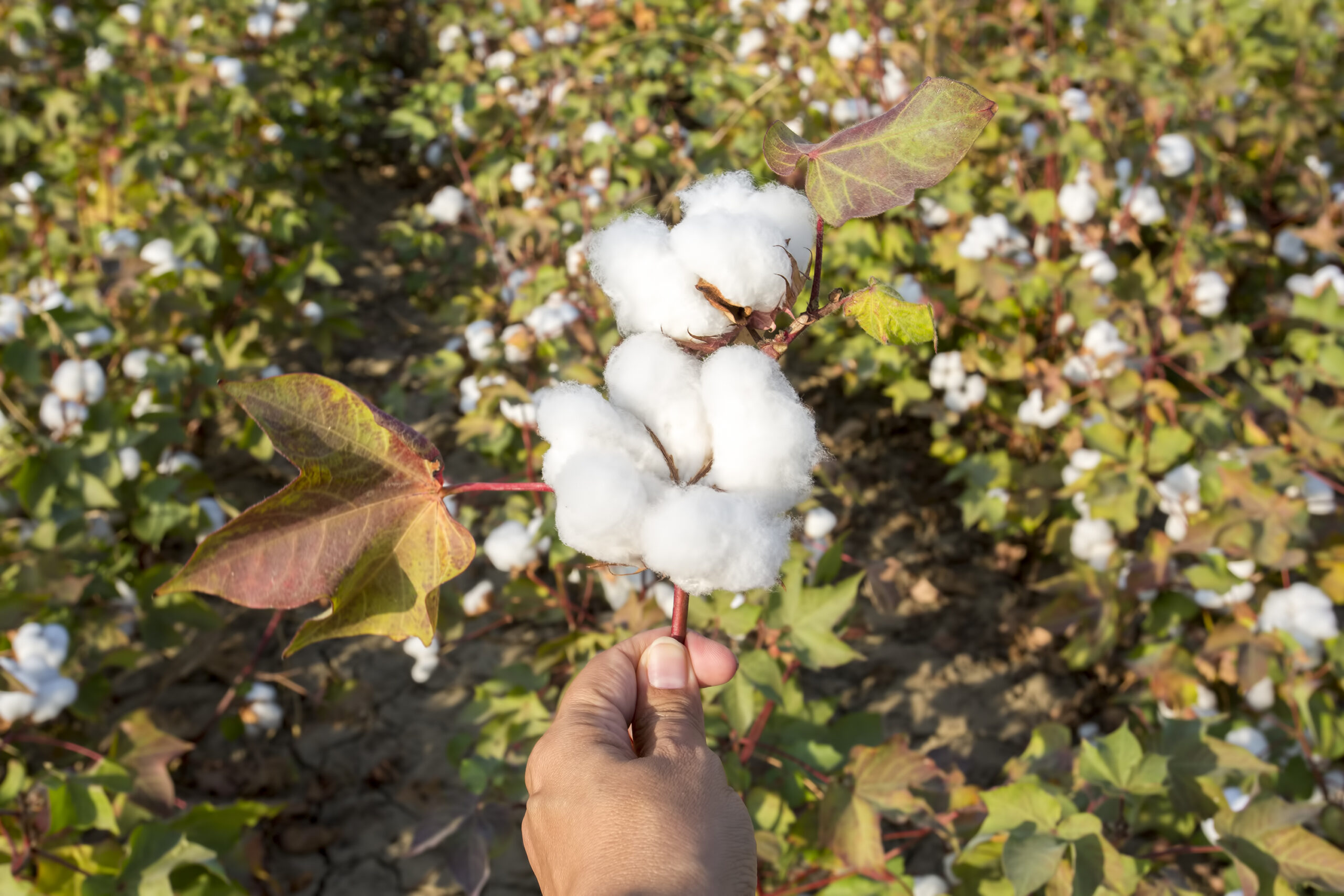
India has a strong and well-established textile manufacturing ecosystem, backed by extensive cotton production, skilled manufacturers, and efficient export infrastructure. This enables international buyers to source a wide range of cotton socks, including everyday, sports, formal, ankle, crew, and customised styles. Many Indian manufacturers also offer private-label solutions, allowing brands to create socks tailored to their requirements, from colours and designs to logos, labels, and packaging.

First, identify your cotton socks requirement:

Clearly define what you want to import:

  1. Quantity required
  2. Target market
  3. Branding requirements
  4. Packaging specifications
  5. Quality expectations
  6. Socks type and length
  7. Cotton composition and yarn blends
  8. Sizes and colours
  9. Designs and patterns

Find and Shortlist Reliable Indian Socks Manufacturers 

The next step is to carefully research and evaluate potential socks suppliers. Rather than choosing a supplier based solely on the lowest quotation, consider factors such as their expertise, industry experience, manufacturing capacity, export capabilities, product range, and ability to meet your quality and production requirements.

While assessing the Cotton Socks manufacturers in India, ask for company profiles, catalogues, manufacturing facilities, certification, and previous exporting experience.

Check Manufacturer Credentials and Certifications 

In accordance with the target market, there could be certain requirements related to the textiles, labeling, sustainability, safety, and social compliance. Get certification documents to ensure that they cover the products that will be produced according to your order.

It is expected from an honest supplier to provide all the information about certification and quality process.

Request Samples, Catalogs, and Pricing 

It is always advisable to request and evaluate physical samples before placing a bulk order, rather than relying solely on product photographs. Rather, one should seek out actual samples to test and evaluate for quality, comfort, stretchiness, stitching, sizes, colours, finishing, and other aspects. If private-label socks are needed, one should seek customised samples according to specifications. In addition, one should ask for a quotation for all costs incurred.

Understand MOQ, Lead Times, and Production Costs 

Minimum order quantity is a crucial decision to make. It can differ for different manufacturers, based on product design, colour, sizes, customisations etc. Request a clear timeline covering every stage of the process, from sample development and raw material procurement to production, quality inspection, packaging, and final dispatch. Do the same for your landed cost. In addition to the manufacturer’s price, consider freight, insurance, customs duties, taxes, port charges, handling fees, and other applicable expenses. 

Finalise Product Specifications, Branding, and Packaging 

Document all specifications including materials, sizes, colours, branding, packaging and barcodes prior to production. Share the approved artwork and hold on to the final sample as the benchmark for production. Proper documentation helps to maintain quality consistency and to prevent errors in specifications.

Understand Payment Terms, Shipping, and Incoterms 

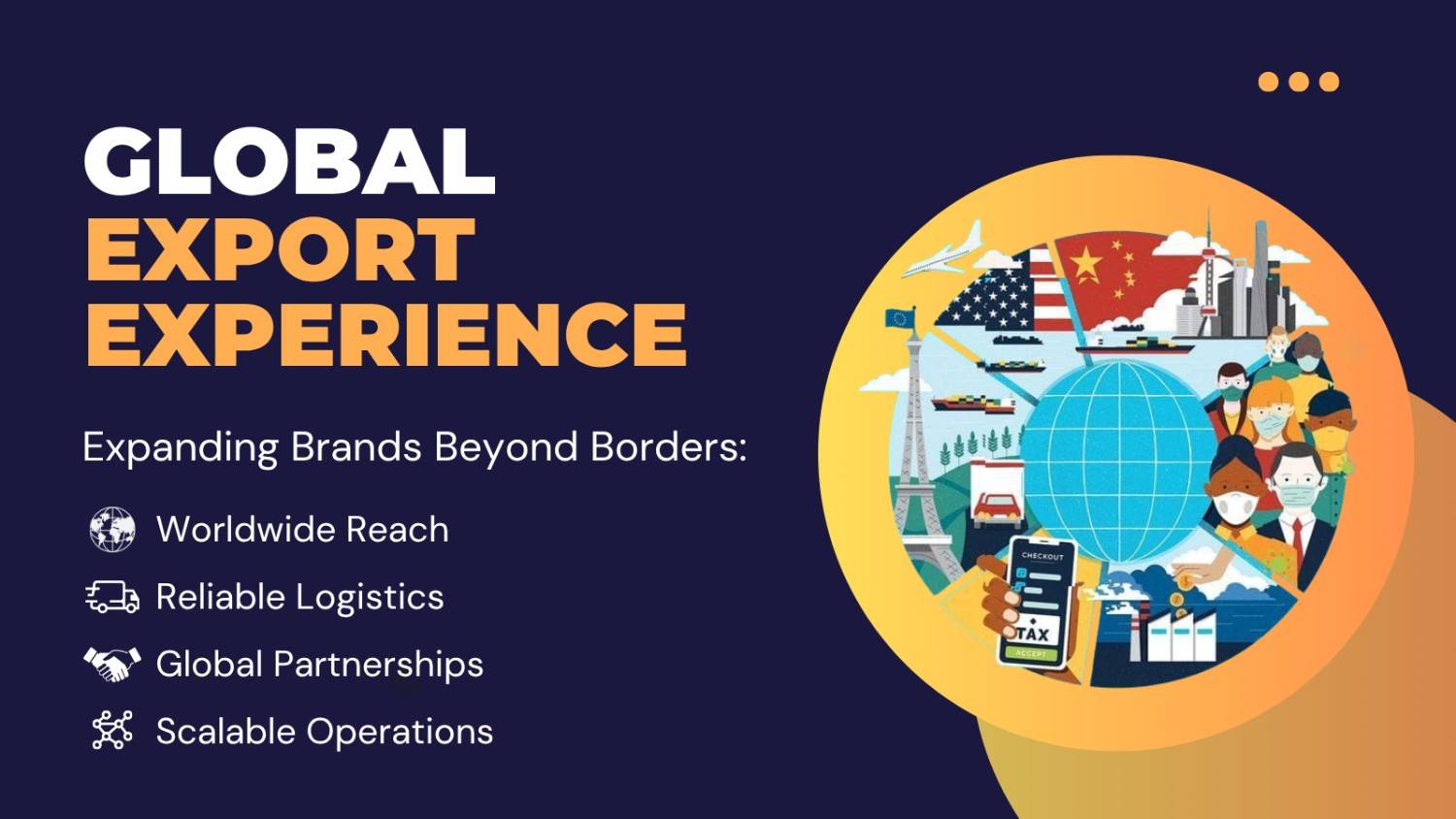
Payment terms should be agreed before confirming the purchase order. Also, the buyer should be aware of the Incoterm agreed upon. The duties of the seller and the buyer are specified in the Incoterms for transportation, insurance, delivery and customs procedures. For larger orders, sea freight is usually more economical, but air freight may be suitable for smaller or urgent shipments.

Prepare Import, Export, and Customs Documents 

Proper documentation is vital for international shipments. Documents vary depending on the destination and transaction and include commercial invoices, packing lists, shipping documents, certificates of origin and other customs or product-specific documentation. Import requirements vary from country to country and buyers should check the customs duties, textile regulations, product classifications, labelling requirements and taxes that apply before shipping.

Quality Inspection, Shipment, and Customs Clearance 

Once the products pass inspection, shipment can proceed according to the agreed terms. When the goods arrive, the importer must complete customs clearance and pay applicable duties and taxes before receiving the shipment. 

Closing Down

By researching Socks manufacturers in India, verifying their credentials, evaluating samples, agreeing on clear specifications, understanding international trade terms, and conducting quality inspections, buyers can reduce sourcing risks and build reliable long-term supply relationships. 

FAQs:

1. Why should international buyers import cotton socks from India?

India has a developed textile industry, cost-effective manufacturing, diversity in products, customisation facilities, and qualified production. Share the approved artwork Ask for a clear schedule for sampling manufacturers of hosiery.

2. How do I find a reliable cotton socks manufacturer in India?

Check out different suppliers, confirm their credentials, assess production capability, ask for samples, and evaluate the quality of product, prices, minimum order quantity, lead time, and export history.

3. What is the MOQ for importing cotton socks from India?

MOQ is different from one manufacturer to another and depends upon the product category, volume, design, colour, customisation, and packaging.

4. Can I customise cotton socks when importing from India?

Yes. There are many suppliers who can customise colours, designs, size, logos, labeling, packing, and private labeling.

5. How long does it take to manufacture cotton socks in India?

Time required for manufacturing varies according to size of the order, intricacy of the product, material availability, customisation, and manufacturing schedule.

6. What documents are required to import cotton socks from India?

Common types of documents include commercial invoices, packing lists, shipping documents, certificates of origin, and other documents as needed by the destination country’s customs authorities.

7. What shipping methods are available for importing socks from India?

Two major types of transport are sea transport and air transport. Sea transport is mostly appropriate for heavy cargo, and air transport may be utilized for urgent cargo.

8. Do I need to pay customs duties when importing cotton socks?

Potentially, yes. Duties and taxes depend on the destination country, product classification, applicable regulations, and trade agreements.

9. Should I order samples before placing a bulk order?

Yes. Samples help you assess material quality, sizing, comfort, construction, stitching, colours, and finishing before committing to a large order.

10. How can I ensure the quality of imported cotton socks?

Provide detailed specifications, approve samples, establish quality standards, conduct pre-shipment inspections, and maintain clear communication with the manufacturer.

Reach out at info@texcyle.co or Call Us Today +917982201014 and explore what Texcyle can do for your brand.

Leave a Reply

Your email address will not be published. Required fields are marked *

Socks manufacturers in India are in demand now. They are increasingly gaining popularity in the foreign countries, especially amongst international retailers, distributors, fashion brands, and private label businesses. India’s well-established textile industry, skilled workforce, abundant raw material availability, and expanding hosiery manufacturing capabilities make it an attractive sourcing destination for buyers seeking high-quality products at competitive prices.

However, importing is a crucial decision to make. It requires precise planning, careful supplier selection, product planning, quality verification, and a vivid understanding of international shipping and customer procedures. 

So, Why Import Cotton Socks from India?

India has a strong and well-established textile manufacturing ecosystem, backed by extensive cotton production, skilled manufacturers, and efficient export infrastructure. This enables international buyers to source a wide range of cotton socks, including everyday, sports, formal, ankle, crew, and customised styles. Many Indian manufacturers also offer private-label solutions, allowing brands to create socks tailored to their requirements, from colours and designs to logos, labels, and packaging.

First, identify your cotton socks requirement:

Clearly define what you want to import:

  1. Quantity required
  2. Target market
  3. Branding requirements
  4. Packaging specifications
  5. Quality expectations
  6. Socks type and length
  7. Cotton composition and yarn blends
  8. Sizes and colours
  9. Designs and patterns

Find and Shortlist Reliable Indian Socks Manufacturers 

The next step is to carefully research and evaluate potential socks suppliers. Rather than choosing a supplier based solely on the lowest quotation, consider factors such as their expertise, industry experience, manufacturing capacity, export capabilities, product range, and ability to meet your quality and production requirements.

While assessing the Cotton Socks manufacturers in India, ask for company profiles, catalogues, manufacturing facilities, certification, and previous exporting experience.

Check Manufacturer Credentials and Certifications 

In accordance with the target market, there could be certain requirements related to the textiles, labeling, sustainability, safety, and social compliance. Get certification documents to ensure that they cover the products that will be produced according to your order.

It is expected from an honest supplier to provide all the information about certification and quality process.

Request Samples, Catalogs, and Pricing 

It is always advisable to request and evaluate physical samples before placing a bulk order, rather than relying solely on product photographs. Rather, one should seek out actual samples to test and evaluate for quality, comfort, stretchiness, stitching, sizes, colours, finishing, and other aspects. If private-label socks are needed, one should seek customised samples according to specifications. In addition, one should ask for a quotation for all costs incurred.

Understand MOQ, Lead Times, and Production Costs 

Minimum order quantity is a crucial decision to make. It can differ for different manufacturers, based on product design, colour, sizes, customisations etc. Request a clear timeline covering every stage of the process, from sample development and raw material procurement to production, quality inspection, packaging, and final dispatch. Do the same for your landed cost. In addition to the manufacturer’s price, consider freight, insurance, customs duties, taxes, port charges, handling fees, and other applicable expenses. 

Finalise Product Specifications, Branding, and Packaging 

Document all specifications including materials, sizes, colours, branding, packaging and barcodes prior to production. Share the approved artwork and hold on to the final sample as the benchmark for production. Proper documentation helps to maintain quality consistency and to prevent errors in specifications.

Understand Payment Terms, Shipping, and Incoterms 

Payment terms should be agreed before confirming the purchase order. Also, the buyer should be aware of the Incoterm agreed upon. The duties of the seller and the buyer are specified in the Incoterms for transportation, insurance, delivery and customs procedures. For larger orders, sea freight is usually more economical, but air freight may be suitable for smaller or urgent shipments.

Prepare Import, Export, and Customs Documents 

Proper documentation is vital for international shipments. Documents vary depending on the destination and transaction and include commercial invoices, packing lists, shipping documents, certificates of origin and other customs or product-specific documentation. Import requirements vary from country to country and buyers should check the customs duties, textile regulations, product classifications, labelling requirements and taxes that apply before shipping.

Quality Inspection, Shipment, and Customs Clearance 

Once the products pass inspection, shipment can proceed according to the agreed terms. When the goods arrive, the importer must complete customs clearance and pay applicable duties and taxes before receiving the shipment. 

Closing Down

By researching Socks manufacturers in India, verifying their credentials, evaluating samples, agreeing on clear specifications, understanding international trade terms, and conducting quality inspections, buyers can reduce sourcing risks and build reliable long-term supply relationships. 

FAQs:

1. Why should international buyers import cotton socks from India?

India has a developed textile industry, cost-effective manufacturing, diversity in products, customisation facilities, and qualified production. Share the approved artwork Ask for a clear schedule for sampling manufacturers of hosiery.

2. How do I find a reliable cotton socks manufacturer in India?

Check out different suppliers, confirm their credentials, assess production capability, ask for samples, and evaluate the quality of product, prices, minimum order quantity, lead time, and export history.

3. What is the MOQ for importing cotton socks from India?

MOQ is different from one manufacturer to another and depends upon the product category, volume, design, colour, customisation, and packaging.

4. Can I customise cotton socks when importing from India?

Yes. There are many suppliers who can customise colours, designs, size, logos, labeling, packing, and private labeling.

5. How long does it take to manufacture cotton socks in India?

Time required for manufacturing varies according to size of the order, intricacy of the product, material availability, customisation, and manufacturing schedule.

6. What documents are required to import cotton socks from India?

Common types of documents include commercial invoices, packing lists, shipping documents, certificates of origin, and other documents as needed by the destination country’s customs authorities.

7. What shipping methods are available for importing socks from India?

Two major types of transport are sea transport and air transport. Sea transport is mostly appropriate for heavy cargo, and air transport may be utilized for urgent cargo.

8. Do I need to pay customs duties when importing cotton socks?

Potentially, yes. Duties and taxes depend on the destination country, product classification, applicable regulations, and trade agreements.

9. Should I order samples before placing a bulk order?

Yes. Samples help you assess material quality, sizing, comfort, construction, stitching, colours, and finishing before committing to a large order.

10. How can I ensure the quality of imported cotton socks?

Provide detailed specifications, approve samples, establish quality standards, conduct pre-shipment inspections, and maintain clear communication with the manufacturer.

Reach out at info@texcyle.co or Call Us Today +917982201014 and explore what Texcyle can do for your brand.
Leave a Reply

Your email address will not be published. Required fields are marked *