Head into any gym, yoga studio or football training ground these days and chances are you’ll see something that wasn’t nearly as common a few years ago. Behind much of that shift sits a growing network of grip socks manufacturer industry news 2026 coverage highlighting just how quickly this category has exploded. It has quietly moved from a niche product for Pilates studios to one of the most talked-about categories in performance apparel. Here’s why grip socks are having a moment, and what it means for the sportswear industry going further into the year.
Table of Contents
ToggleWhat Are Grip Socks and How Do They Work?
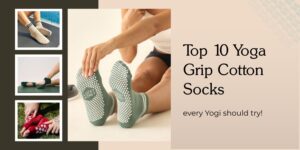
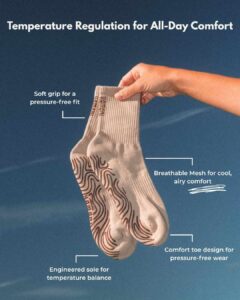
The name is exactly the same as it sounds like, a good grip with small rubber or silicon patterns cleanly embedded into the sole, especially curated to prevent from slipping on slippery or matted surfaces.Unlike regular socks that depend on the friction of the yarn alone, grip socks employ raised traction points in key pressure areas such as the heel, ball of the foot and toes to keep feet stable as you move.
Why Grip Socks Are Gaining Popularity in 2026
There are numerous factors that are converging to promote grip socks into the mainstream this year, as people become more aware of their choices and their comfort. The continued rise of boutique fitness studios, home gym equipment and barefoot workouts has created increased interest in alternative footwear options that offer comfort and stability without the additional weight and structure of traditional shoes.
The Role of Grip Socks in Improving Stability and Performance
Stability starts from the ground up, and that’s exactly where grip socks make their biggest impact. Grip socks help athletes stay in better form and control by reducing slippage during quick directional changes, lunges, or balance-based movements – something particularly useful in activities where footing directly impacts both performance and safety.
Grip Socks for Sports, Fitness, and Athletic Training
Beyond studio workouts, grip socks are increasingly showing up in broader athletic training settings. Trainers are recommending them for agility drills, resistance training, and even recovery sessions, since the added traction supports safer movement patterns without restricting the natural flexibility of the foot the way rigid footwear sometimes does.
How Grip Socks Support Comfort and Foot Control
Comfort is the most important thing to consider in modern hosiery. Most grip socks are now made up of breathable and stretchable yarns that hug your foot’s natural shape, offering a barefoot-like experience while providing enough traction to prevent slipping.
The Growing Demand for Specialised Performance Socks
Grip socks are part of a larger trend in specialised, function-first hosiery. Consumers are no longer thinking about socks as an afterthought – they are actively seeking out products that are made for specific activities, whether that’s compression socks for recovery, moisture-wicking socks for running, or grip socks for stability-focused training.
Grip Socks in Football, Yoga, Pilates, and Gym Workouts
Pilates and yoga studios were early adopters, but grip socks have since expanded into football training, where players wear them under cleats for better in-shoe stability. You also find them in settings of general gym workouts, including weightlifting and functional training. Each of these use cases has slightly different grip patterns and sock lengths, reflecting how tailored this category has become.
How Innovation and New Materials Are Shaping Grip Sock Designs
Manufacturers are experimenting with new silicone compounds, seamless knitting techniques and targeted compression zones to improve grip durability and overall fit. These innovations are helping grip socks perform better over multiple washes and longer wear, answering one of the earlier criticisms of the category, that grip patterns wore down too quickly.
Global Market Trends Driving Grip Sock Demand
Globally, the growth of boutique fitness culture, increased awareness around injury prevention and greater social media visibility of studio workouts have all contributed to the rising demand. Retailers and sportswear brands are responding to this by offering a wider range of grip socks, and manufacturers are upping their output to meet the demand from fitness studios, sports teams and direct-to-consumer brands alike.
What the Future Looks Like for Grip Socks in the Sportswear Industry
As demand is on the rise, expect that grip socks trend branches into even more specicialised categories: sport-specific designs, smarter materials, and possibly even hybrid products that combine grip technology with compression or moisture-control features. Manufacturers and brands watching this space will need to stay close to grip socks manufacturer industry news 2026 developments to stay ahead of the curve on where the category heads next.
FAQs:
1. Why are grip socks becoming popular in 2026?
Growing interest in boutique fitness, injury prevention awareness, and demand for barefoot-style stability are driving their popularity.
2. What are grip socks used for?
They’re used to prevent slipping and improve foot stability during workouts, sports, and studio-based training like yoga or Pilates.
3. Do grip socks improve athletic performance?
Yes, better foot stability can support improved form, balance, and control during movement-heavy activities.
4. Which sports are grip socks best suited for?
They’re popular in football, yoga, Pilates, and general gym or functional training settings.
5. Are grip socks good for gym workouts?
Yes, many gym-goers use them for added traction during weightlifting, agility drills, and resistance training.
6. Why do athletes wear grip socks?
Athletes wear them to reduce slipping inside footwear and maintain better stability during quick, dynamic movements.
7. Are grip socks better than regular sports socks?
For stability-focused activities, yes — the added traction offers benefits regular socks don’t provide.
8. What materials are commonly used to make grip socks?
Most combine breathable stretch yarns with silicone or rubber grip patterns on the sole.
9. Are grip socks becoming a global sportswear trend?
Yes, rising demand across fitness studios, sports training, and retail markets points to strong global growth.
10. What should businesses consider when sourcing grip socks?
Look at grip durability, material quality, available sizing, and a manufacturer’s ability to scale production for demand.
Reach out at info@texcyle.co or Call Us Today +917982201014 and explore what Texcyle can do for your brand.