Choosing a Reliable Bulk Socks Supplier in Australia

Sourcing socks in bulk sounds straightforward—until you actually start doing it. Prices vary, samples don’t always match expectations, and timelines can stretch without warning. If you’re dealing with a grip socks manufacturer, the stakes are even higher because performance matters just as much as appearance.

If you’re building a product line or supplying studios, it helps to slow down and look beyond the basics. Here are a few things worth paying attention to before you lock in a supplier.

1. Grip Quality & Technology

This is where everything starts. Grip socks are supposed to do one thing really well—provide stability. But not every pair delivers.

Some factories rely on standard dot patterns that look fine at first but wear down quickly. Others invest more in the application process, making sure the grip actually lasts after repeated use and washing.

A dependable grip socks manufacturer will usually have:

  • Silicone grip is durable and will not crack or peel off easily
  • Balanced placement across the sole (not just clustered dots)
  • Testing for real-world use, not just appearance

If possible, try them yourself. It’s surprising how different they can feel once you actually move in them.

2. Material and Comfort

You’d think socks are simple—but comfort can make or break repeat sales.

Customers notice when fabric feels too thin, too tight, or oddly stitched. Cotton blends, especially organic or combed cotton, tend to feel softer and last longer. Bamboo is another option that’s gaining attention for breathability.

Somewhere in your research, you’ll likely come across a grip socks manufacturer in Australia offering locally compliant or eco-conscious materials. That can be useful if your brand leans toward sustainability or premium positioning.

Things to check:

  • Stretch and recovery (do they lose shape?)
  • Breathability, especially for active use
  • Finishing details like toe seams

Small details tend to show up quickly after a few wears.

3. Customisation Capabilities
If you’re trying to build a recognisable brand, stock designs won’t get you very far.

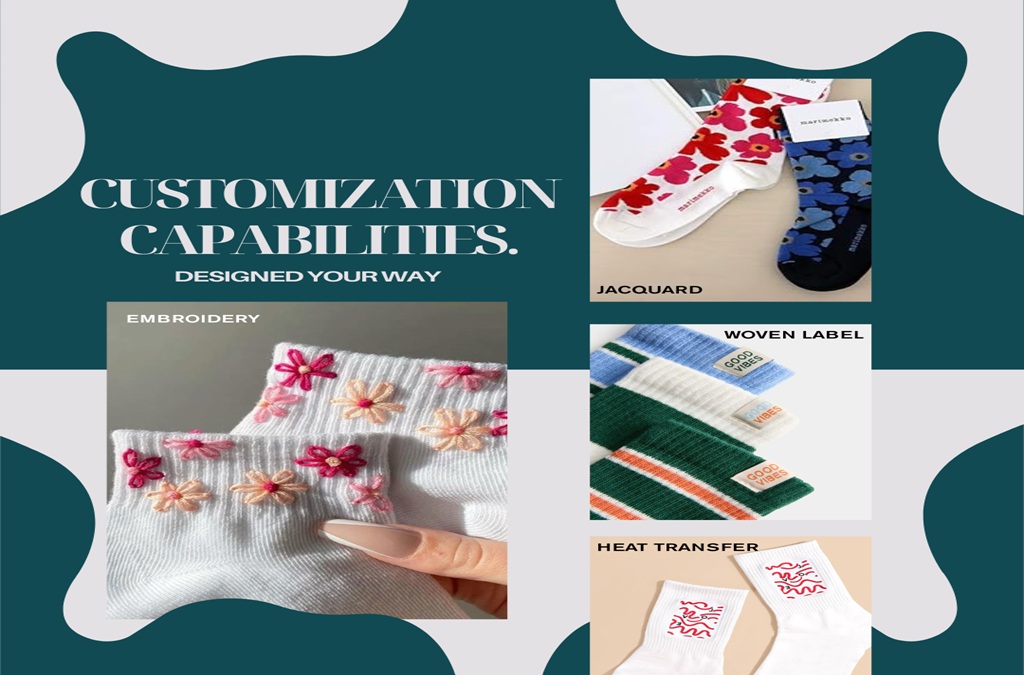
Customisation doesn’t just mean adding a logo. It’s about having control over colors, patterns, and even how the grip looks. Some manufacturers are flexible; others stick to templates with minor tweaks.

Look for:

  • Custom grip layouts
  • Multiple branding methods (woven, printed, embroidered)
  • Options for different sizes or fits

It’s better to ask upfront than assume something is possible later.

4. Manufacturing Expertise & Quality Control

This part isn’t always visible—but it shows up in the final product.

An experienced manufacturer tends to have smoother processes, fewer defects, and clearer communication. You don’t want to chase updates or deal with inconsistent batches every time you reorder.

Ask simple questions:

  • How long have they been producing grip socks?
  • What checks are done before shipping?
  • Can they share examples of past work?

A solid grip socks manufacturer won’t hesitate to answer these.

5. MOQ, Pricing and Time

Here’s where things can get a bit tricky.

Minimum order quantities (MOQs) vary widely. Some suppliers expect large volumes right away, while others are more flexible—especially if you’re just starting out.

Pricing often reflects that. Lower costs might mean compromises in materials or finishing. On the other hand, higher pricing doesn’t always guarantee better quality either.

Try to find a balance:

  • MOQs that fit your current scale
  • Clear pricing without hidden extras
  • Timelines that feel realistic, not overly optimistic

Rushing production rarely ends well.

6. Packaging & Branding Support (Bonus Factor)

Packaging isn’t just packaging—its part of the product experience.

If your socks are going straight to retail or e-commerce customers, presentation matters. Some manufacturers offer basic packaging, while others help with branded solutions.

Later in your search, you might again run into a grip socks manufacturer in Australia that includes packaging and labeling support. That can save time, especially if you don’t want to coordinate multiple vendors.

Think about:

  • Eco-friendly packaging options
  • Private label tags or wraps
  • Ready-to-sell formats

It’s one less thing to manage on your end.

FAQs:

Q1. What are grip socks used for?
They’re mostly used in activities like Pilates, yoga, and physiotherapy to improve traction and reduce slipping.

Q2. What type of grip is best for socks?
Durable silicone grips with even coverage tend to perform best over time.

Q3. Can I customise the grip design?
Yes, though the level of customisation depends on the manufacturer’s capabilities.

Q4. Are grip socks suitable for branding and private labels?
Definitely. They’re widely used for private label products, especially in fitness-related markets.

Q5. How durable is the grip after washing?
With good-quality production, the grip should hold up through multiple washes without significant wear.

At the end of the day, choosing a supplier is less about finding the cheapest option and more about finding consistency. A good partner makes things easier over time—fewer issues, smoother reorders, and products you can trust.

Texcyle works with businesses that want that balance—quality, flexibility, and a process that doesn’t feel complicated.

If you’d like to explore options or just have a quick discussion, email us at info@texcyle.co or Call Us Today +917982201014.
Leave a Reply

Your email address will not be published. Required fields are marked *

Sourcing socks in bulk sounds straightforward—until you actually start doing it. Prices vary, samples don’t always match expectations, and timelines can stretch without warning. If you’re dealing with a grip socks manufacturer, the stakes are even higher because performance matters just as much as appearance.

If you’re building a product line or supplying studios, it helps to slow down and look beyond the basics. Here are a few things worth paying attention to before you lock in a supplier.

1. Grip Quality & Technology

This is where everything starts. Grip socks are supposed to do one thing really well—provide stability. But not every pair delivers.

Some factories rely on standard dot patterns that look fine at first but wear down quickly. Others invest more in the application process, making sure the grip actually lasts after repeated use and washing.

A dependable grip socks manufacturer will usually have:

  • Silicone grip is durable and will not crack or peel off easily
  • Balanced placement across the sole (not just clustered dots)
  • Testing for real-world use, not just appearance

If possible, try them yourself. It’s surprising how different they can feel once you actually move in them.

2. Material and Comfort

You’d think socks are simple—but comfort can make or break repeat sales.

Customers notice when fabric feels too thin, too tight, or oddly stitched. Cotton blends, especially organic or combed cotton, tend to feel softer and last longer. Bamboo is another option that’s gaining attention for breathability.

Somewhere in your research, you’ll likely come across a grip socks manufacturer in Australia offering locally compliant or eco-conscious materials. That can be useful if your brand leans toward sustainability or premium positioning.

Things to check:

  • Stretch and recovery (do they lose shape?)
  • Breathability, especially for active use
  • Finishing details like toe seams

Small details tend to show up quickly after a few wears.

3. Customisation Capabilities

If you’re trying to build a recognisable brand, stock designs won’t get you very far.

Customisation doesn’t just mean adding a logo. It’s about having control over colors, patterns, and even how the grip looks. Some manufacturers are flexible; others stick to templates with minor tweaks.

Look for:

  • Custom grip layouts
  • Multiple branding methods (woven, printed, embroidered)
  • Options for different sizes or fits

It’s better to ask upfront than assume something is possible later.

4. Manufacturing Expertise & Quality Control

This part isn’t always visible—but it shows up in the final product.

An experienced manufacturer tends to have smoother processes, fewer defects, and clearer communication. You don’t want to chase updates or deal with inconsistent batches every time you reorder.

Ask simple questions:

  • How long have they been producing grip socks?
  • What checks are done before shipping?
  • Can they share examples of past work?

A solid grip socks manufacturer won’t hesitate to answer these.

5. MOQ, Pricing and Time

Here’s where things can get a bit tricky.

Minimum order quantities (MOQs) vary widely. Some suppliers expect large volumes right away, while others are more flexible—especially if you’re just starting out.

Pricing often reflects that. Lower costs might mean compromises in materials or finishing. On the other hand, higher pricing doesn’t always guarantee better quality either.

Try to find a balance:

  • MOQs that fit your current scale
  • Clear pricing without hidden extras
  • Timelines that feel realistic, not overly optimistic

Rushing production rarely ends well.

6. Packaging & Branding Support (Bonus Factor)

Packaging isn’t just packaging—its part of the product experience.

If your socks are going straight to retail or e-commerce customers, presentation matters. Some manufacturers offer basic packaging, while others help with branded solutions.

Later in your search, you might again run into a grip socks manufacturer in Australia that includes packaging and labeling support. That can save time, especially if you don’t want to coordinate multiple vendors.

Think about:

  • Eco-friendly packaging options
  • Private label tags or wraps
  • Ready-to-sell formats

It’s one less thing to manage on your end.

FAQs:

Q1. What are grip socks used for?
They’re mostly used in activities like Pilates, yoga, and physiotherapy to improve traction and reduce slipping.

Q2. What type of grip is best for socks?
Durable silicone grips with even coverage tend to perform best over time.

Q3. Can I customise the grip design?
Yes, though the level of customisation depends on the manufacturer’s capabilities.

Q4. Are grip socks suitable for branding and private labels?
Definitely. They’re widely used for private label products, especially in fitness-related markets.

Q5. How durable is the grip after washing?
With good-quality production, the grip should hold up through multiple washes without significant wear.

At the end of the day, choosing a supplier is less about finding the cheapest option and more about finding consistency. A good partner makes things easier over time—fewer issues, smoother reorders, and products you can trust.

Texcyle works with businesses that want that balance—quality, flexibility, and a process that doesn’t feel complicated.

If you’d like to explore options or just have a quick discussion, email us at info@texcyle.co or Call Us Today +917982201014.
Leave a Reply

Your email address will not be published. Required fields are marked *