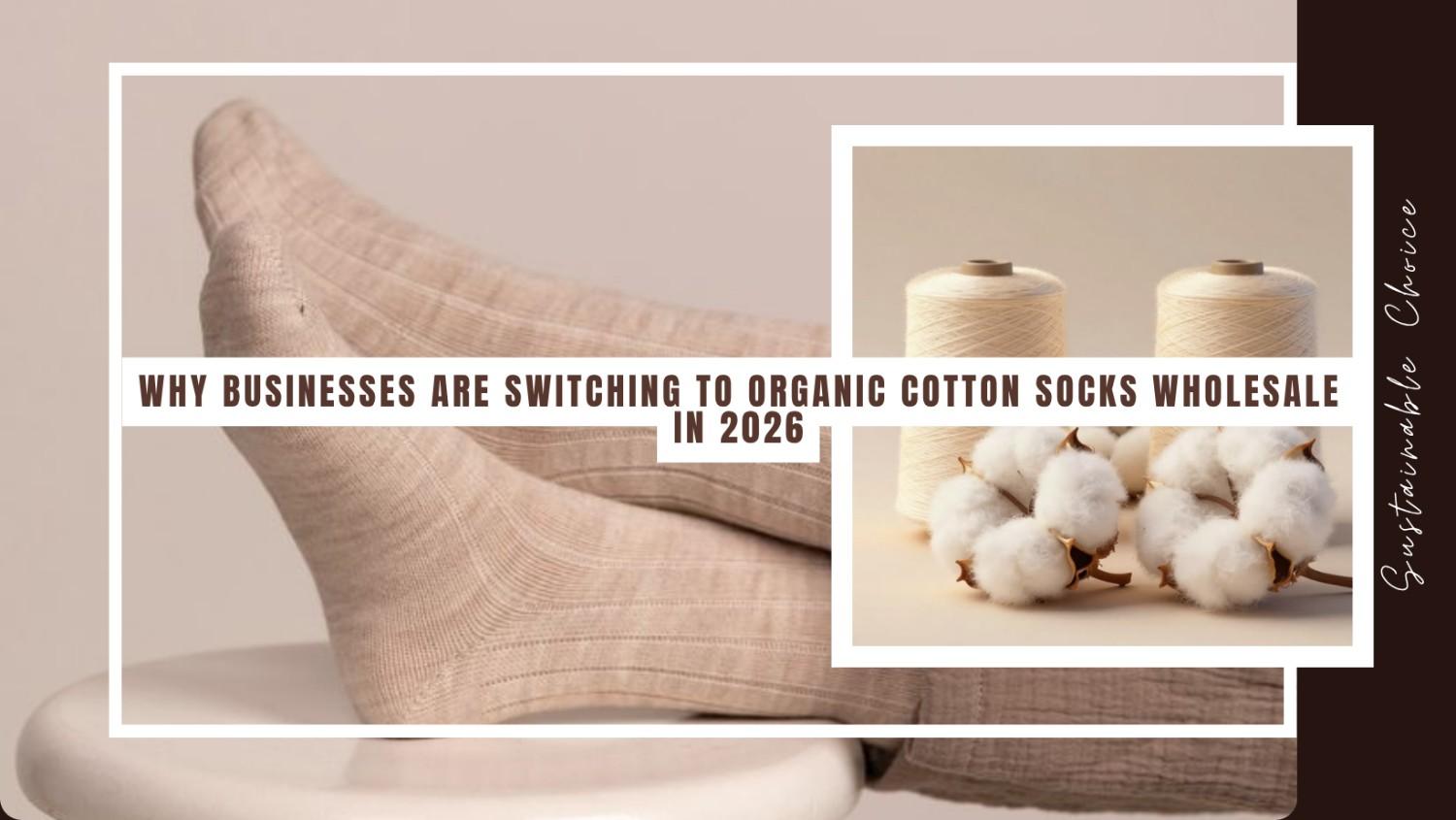
Not too long ago, socks were just… socks. A basic product, easy to overlook. But things have shifted—quietly at first, then all at once. In 2026, more businesses are rethinking even the smallest items in their product lines. And that’s where eco-friendly organic cotton socks wholesale starts to stand out.
It’s not just about ticking a “sustainable” box anymore. There’s a mix of customer pressure, brand positioning, and, frankly, common sense driving this change.
1. Growing Demand for Sustainable Products
Customers today don’t shop the way they used to. They pause, compare, and question. Where was this made? Who made it? Does it harm the environment?
You’ll notice that brands ignoring these questions tend to lose relevance faster. On the other hand, those leaning into sustainability—without making it feel forced—are building stronger connections.
Organic cotton socks might seem like a small step, but for many businesses, it’s an easy and practical place to start.
2. What Makes Organic Cotton Socks Eco-Friendly
Here’s the simple version: organic cotton is grown without the heavy use of chemicals you’d find in conventional farming. No synthetic pesticides, no harsh fertilisers.
That has a ripple effect. Healthier soil, cleaner water, safer working conditions. It’s not perfect, of course—but it’s a noticeable improvement.
When businesses choose eco-friendly organic cotton socks wholesale, they’re essentially backing a production system that’s a bit more thoughtful. Less wasteful. A little more future-focused.
3. Benefits of Buying Organic Cotton Socks Wholesale
There’s a practical side to this too—it’s not all philosophy.
Buying wholesale helps keep costs manageable, especially when scaling. You also get consistency, which matters more than people realize. Customers notice when quality changes.
Midway through their sourcing journey, many brands—especially export-focused ones—start exploring options like organic cotton socks wholesale in Australia. The appeal is often tied to stricter quality benchmarks and established sustainability practices.
And then there’s the product itself. Organic cotton socks tend to feel softer, breathe better, and last longer. Small details, but they add up over time.
4. Customisation & Private Label Opportunities
This is where brands get creative.
It’s no longer just about selling socks—it’s about selling your socks. Colors, patterns, packaging, even the story behind the product—all of it matters.
Companies like Texcyle are making it easier to customize without overcomplicating things. You don’t need massive volumes to start building your own line anymore.
Private labeling, especially, is becoming a go-to option. It allows businesses to test ideas, enter new markets, and evolve quickly without huge upfront investments.
5. Certifications & Compliance
Of course, anyone can claim to be “eco-friendly.” That’s where certifications come in.
Standards like GOTS help separate genuine efforts from surface-level marketing. For businesses, these labels offer reassurance. For customers, they build trust.
It’s not always the first thing buyers look for—but when they do, it matters.
6. Industries Driving Demand
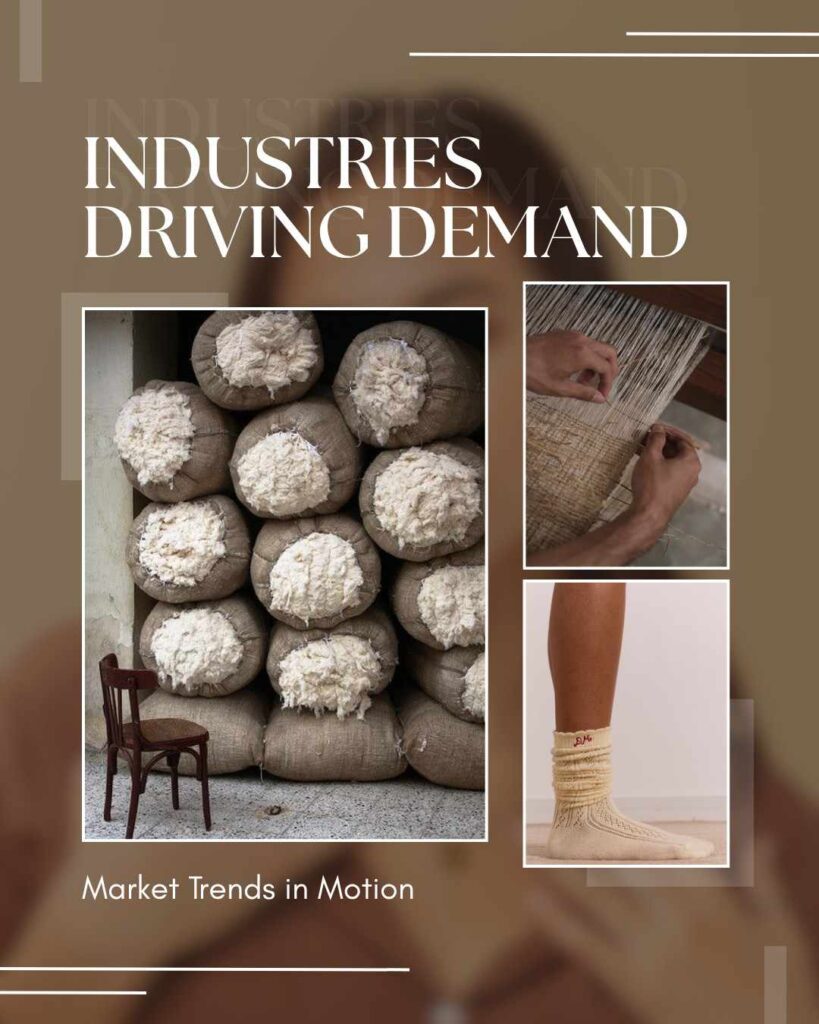
What’s interesting is how many industries are getting involved.
Retail brands were early adopters, but now you’ll see organic cotton socks in corporate gifting, wellness kits, gyms, even hotels. It’s a versatile product—easy to brand, easy to distribute.
Subscription boxes and lifestyle brands, in particular, seem to love them. Probably because they strike a balance between being useful and meaningful.
7. Challenges in Organic Cotton Wholesale
That said, it’s not completely straightforward.
Organic cotton supply is still catching up with demand. Prices can fluctuate. Lead times might stretch a bit longer than expected.
There’s also the issue of transparency. Not every supplier operates at the same standard, so businesses need to do their homework.
Still, these challenges aren’t deal-breakers. If anything, they’re part of a market that’s still evolving.
8. Future Trends in 2026 and Beyond
Looking ahead, the momentum doesn’t seem to be slowing down.
We’ll probably see more hybrid materials—organic cotton blended with recycled fibres, for instance. Technology might also play a bigger role, with brands offering more visibility into how products are made.
Markets like organic cotton socks wholesale in Australia will likely continue influencing global standards, especially when it comes to quality and sustainability.
And for businesses? It’s less about jumping on a trend and more about staying relevant.
FAQs:
Q1. Why are businesses switching to organic cotton socks in 2026?
Because customers expect more transparency and sustainability, and organic cotton meets both needs.
Q2. What are the benefits of buying organic cotton socks wholesale?
Better pricing at scale, consistent quality, and alignment with eco-conscious branding.
Q3. What industries commonly buy organic cotton socks wholesale?
Retail, corporate gifting, fitness, hospitality, and subscription-based brands.
Q4. What is the typical MOQ for wholesale organic cotton socks?
It varies, but many manufacturers—including Texcyle—offer flexible minimums to support different business sizes.
At the end of the day, the shift toward eco-friendly organic cotton socks wholesale feels less like a trend and more like a natural progression. Businesses are paying closer attention—to their products, their impact, and their customers.
And sometimes, even something as simple as a pair of socks can say a lot about a brand.
If you’re exploring this space, Texcyle can help you take that first step.
Email us at info@texcyle.co or Call Us Today +917982201014.