Autumn-winter sock trends are stretching beyond thicker yarns and darker colours. Seasonal collections are increasingly being designed with an eye to material composition, thermal comfort, cushioning and versatile designs. Customers want socks that are warm but still fit, breathe and feel good every day.
Buyers should know the difference between wool blends, thermal knits and cushioned soles. Each serves a different purpose and the right mix depends on the use, the price point you want to hit and the tastes of your customers.
Here are the key developments worth considering when planning an autumn-winter sock collection:
Table of Contents
ToggleUnderstanding Autumn-Winter Sock Trends
Commuters need a different sock weight from outdoor walkers. Fashion buyers may prioritise colour, while performance buyers focus on fit and reinforcement.
A mix of lightweight thermal, crew and cushioned styles is more useful than similar thick socks. Define use before selecting yarn.
Popular Wool Blends for Winter Socks
Wool absorbs moisture vapour and helps regulate the microclimate next to the skin. Its natural crimp traps air for insulation, fine Merino fibres feel softer next to skin.
Nylon can improve abrasion resistance, polyester can contribute strength and drying performance, and elastane supports stretch and recovery. Acrylic appears in value ranges. There is no universal best ratio specify use and target price, then assess a sample. Also ask for the actual fibre percentages, not a description such as wool-rich. The label composition should match the approved specification and applicable market rules.
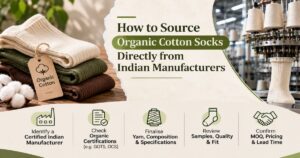
Texcyle’s published material range lists organic cotton, recycled polyester, bio-elastane, bamboo, hemp and linen. Wool is not listed, so confirm availability separately before including wool blends in a Texcyle enquiry.
Thermal Knits and Insulating Yarns
Warmth depends on yarn size, knitting density and inner construction, not thickness alone. Terry loops create air spaces, a denser knit fits closer but has less loft. Check brushed surfaces after washing. State expected sock weight and thickness, thermal alone is not a production specification.
Develop the sock for its footwear: a heavy boot style may feel cramped in a close-fitting shoe. Test the sample with the intended shoe.
Cushioned Soles for Added Comfort
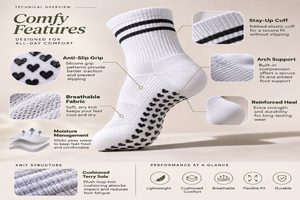
Cushioning comes from construction. Half-terry concentrates looped yarn underfoot, full-terry extends it across more of the sock. Both add bulk.
Walking styles may need heel and forefoot padding, everyday socks may need only a modest terry zone. Check shoe fit and movement.
Trending Autumn-Winter Sock Styles
Crew socks suit casual shoes and boots, ribbed styles add texture, knee-high designs offer coverage, thermal boot socks suit roomier footwear.
Choose styles for distinct customers or outfits, not just colour variations. A retailer might place a fine-gauge ribbed crew beside a heavier terry boot sock: both belong in a winter story, but they solve different wardrobe needs.
Popular Winter Sock Colours and Patterns
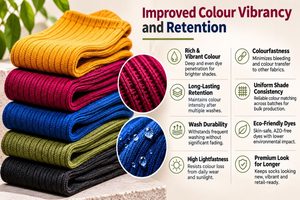
Charcoal, navy, burgundy, forest green, oatmeal and chocolate brown suit seasonal wardrobes. Argyle, Nordic motifs, stripes and rib textures add variety, complex patterns affect production.
Approve physical colour standards, record references and specify contrasting heels, toes or cuffs. These details guide repeat orders. If the collection spans several sizes, check that pattern placement and colour blocking remain balanced across the size range.
Performance Features for Winter Socks
Check cuff recovery, heel placement, toe construction and whether the sock stays smooth. Reinforcement can help high-wear areas, depending on yarn and stitch structure.
Check fit after washing, dimensional change, pilling, colourfastness and seam comfort. A wear trial can reveal pressure points that visual inspection misses. For repeatability, record the measurement points and acceptable tolerances rather than relying on a general instruction to match the sample.
Customisation Options for Retail Collections
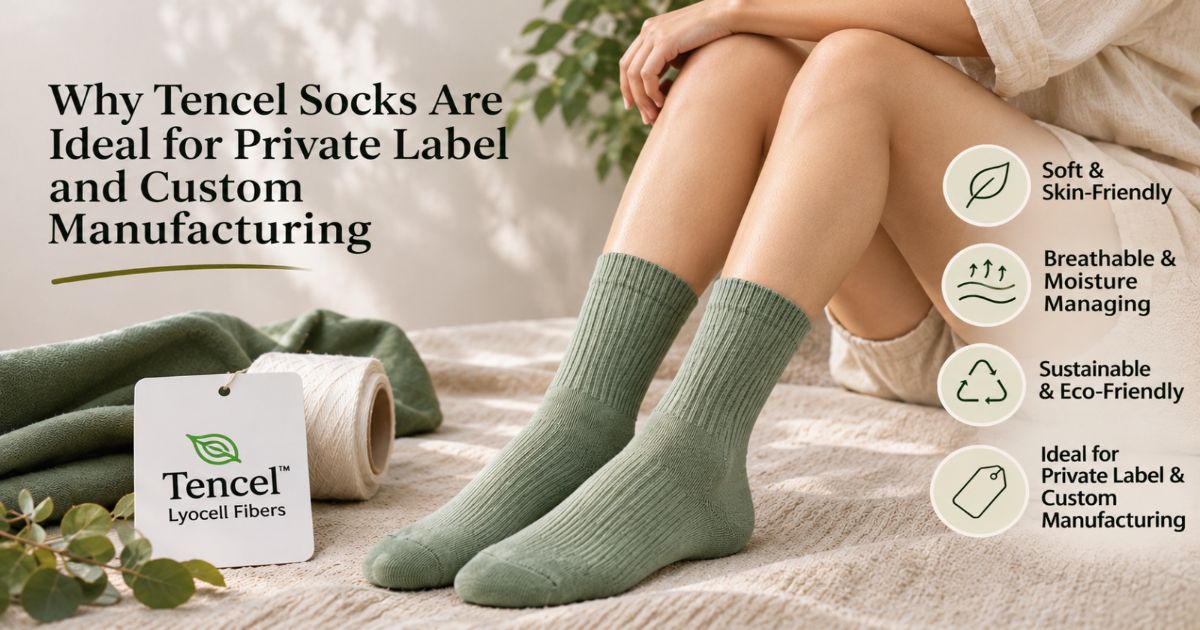
A palette, signature pattern, knitted logo and coordinated packaging can distinguish a private-label range.
Provide artwork, colour references, sizes, logo position, packaging format and labelling requirements before sampling. Texcyle describes product customisation, product development and packaging support, confirm materials and construction against the brief.
Sourcing Autumn-Winter Socks in Bulk
Allow time for sampling, production and shipping. Quote against a full specification covering fibre content, size, length, construction, cushioning, colours, branding and packaging. Clarify MOQ basis and schedule risks. Custom colours, specialised yarns and intricate jacquard work can affect development time or order economics, ask the supplier to identify these cost drivers before finalising the retail price.
Approve a physical sample. Check measurements, stretch, thickness, stitching, shade and shoe comfort, record corrections and sign off a reference sample for bulk inspection. A clear approval trail reduces the chance of a late change to yarn, shade, logo position or packaging being missed by the production team.
Choosing the Right Winter Sock Manufacturer
Choosing a reliable winter socks manufacturer involves more than comparing prices. Retailers should assess material knowledge, sample quality, manufacturing capabilities and production consistency.
Texcyle is an India-based B2B socks manufacturer specialising in organic cotton socks, with OEM manufacturing, private-label customisation, product development and packaging support.
FAQs:
1. What are the best yarn blends for manufacturing autumn-winter socks?
Merino wool with nylon and elastane combines warmth, durability and stretch.
2. What is the difference between half-terry and full-terry winter socks?
Half-terry cushions mainly the sole, full-terry extends cushioning across more of the sock.
3. Which sock styles are most popular for autumn-winter retail collections?
Crew, ribbed, knee-high, thermal boot and cushioned athletic socks are practical seasonal options.
4. What should retailers consider when sourcing winter socks in bulk?
Check yarn composition, construction, sizing, samples, MOQ, production timelines and packaging.
Autumn-winter sock collections should combine seasonal styling with practical material and construction choices. Wool blends, thermal knits and cushioned soles serve different purposes, making careful product selection essential.
For retailers planning their next collection, working with an experienced manufacturing partner can simplify customisation, sampling and bulk sourcing.
Contact Texcyle to discuss bulk sock sourcing, OEM manufacturing and private-label development for your retail brand.
Connect with the team directly at +91 79822 01014 and request a Quote Today!