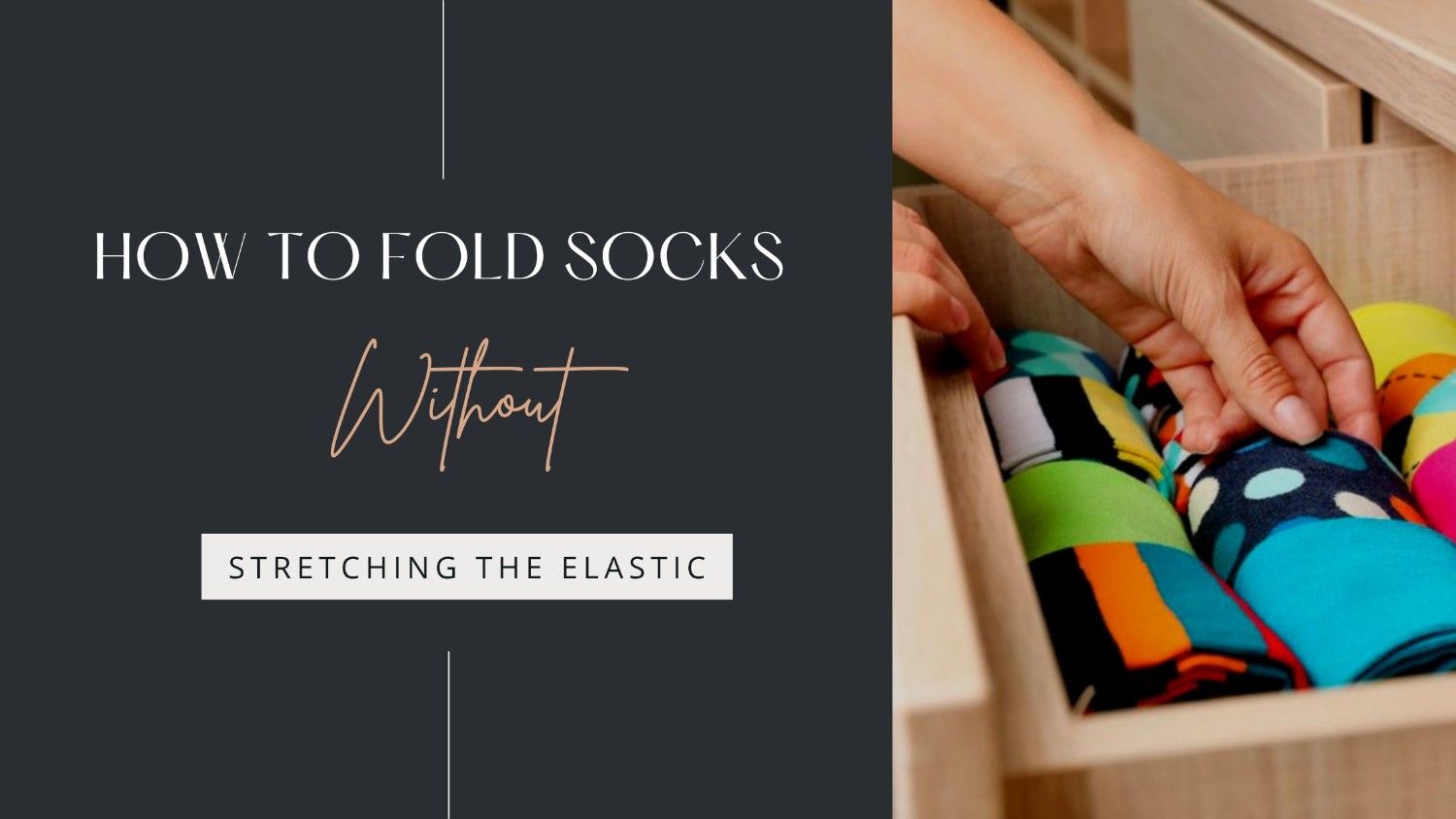
How to Fold Socks Without Stretching the Elastic

Cotton socks for men are one of those everyday items that most people never really think about — until the elastic goes loose and the socks start falling down mid-walk. The good news is that in most cases, worn-out elastic isn’t about bad quality. It comes down to how the socks are stored.

A few simple changes to your folding and storage habits can add real life to every pair you own. It doesn’t take long, and it makes a noticeable difference.

Why Proper Sock Folding Matters

Elastic fibres in the cuff are designed to stretch and bounce back — but they have a limit. When socks are kept in a stretched position for days or weeks at a time (say, balled up in a drawer), those fibres slowly stop bouncing back. The result is socks that feel loose, slip during the day, and bunch up inside shoes.

Proper folding keeps the elastic relaxed between wears, so it stays strong for longer. It also means you can actually see all your pairs without digging through a pile.

Common Mistakes That Damage Sock Elastic

The single most damaging habit is stretching one sock over the other to make a ball. It feels tidy, but it puts the cuff under constant tension every time you’re not wearing them. Over a few months, the elastic weakens and won’t recover.

Other habits that quietly damage socks over time:

  • Twisting socks tightly before storing
  • Packing the drawer so full that socks get squeezed
  • Storing socks that are still a little damp
  • Folding the cuff back hard on itself over and over

Understanding Sock Elastic and Yarn

Most socks — including comfortable cotton socks for men — are made from a blend of fibres. Cotton handles softness and breathability. Elastane (you may also see it labelled as Lycra or spandex) gives the sock its stretch and recovery. Nylon or polyester often adds durability.

Elastane is effective, but it’s also the part most sensitive to ongoing mechanical pressure. That’s why storage method matters more than most people expect.

The KonMari Sock Folding Method

The KonMari method, made popular by organiser Marie Kondo, works particularly well for socks because it avoids putting any lasting pressure on the yarn. The idea is simple: fold flat, store upright.

Here’s how to do it:

  • Lay both socks flat, one on top of the other
  • Fold the toe section up toward the cuff, roughly halfway
  • Fold once more into a compact rectangle
  • Stand the folded pair upright in the drawer

That upright position is the key. You can see every pair at once, nothing gets buried, and there’s no weight pressing down on the pile.

How to Store Socks Properly

How you store socks is just as important as how you fold them. A few simple adjustments go a long way:

  • Use drawer dividers or small boxes to separate sock types — athletic, dress, casual
  • Don’t overfill the drawer; compression causes the same elastic stress as poor folding
  • Store in a cool, dry spot — heat and humidity wear down elastic faster
  • Always pair socks before storing rather than hunting for matching ones every morning
  • Rotate pairs so you’re not wearing the same ones every day

Best Practices for Different Sock Types
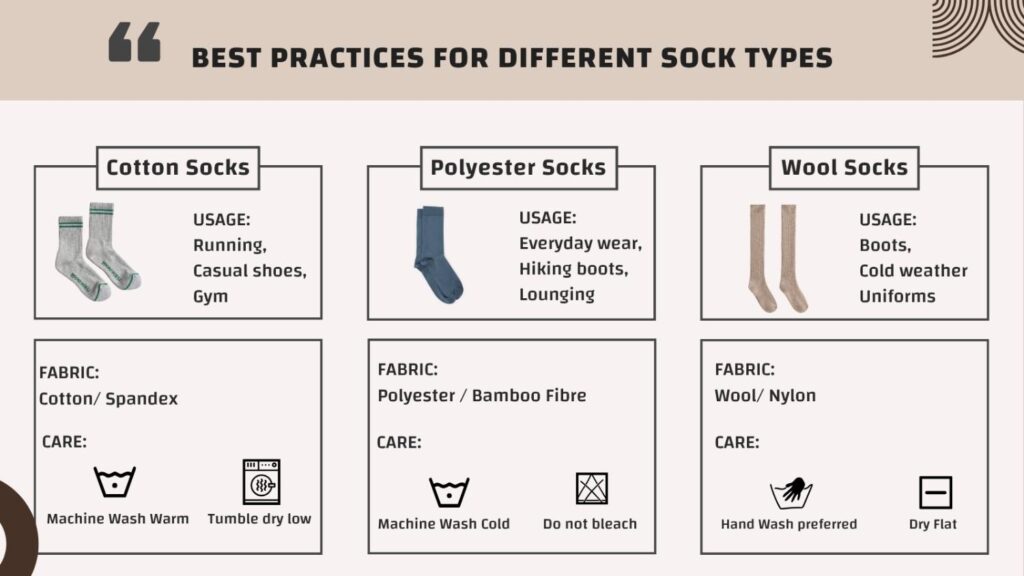
The basic fold works across most types, but a few categories are worth handling slightly differently.

Everyday cotton socks are the most forgiving. Fold using the method above, store upright, and they’ll be fine.

Athletic socks need one extra step: make sure they’re fully dry before folding. Moisture trapped in stored socks can lead to odour that’s hard to get rid of.

Dress socks deserve a bit more care. Fold gently to avoid sharp creases, which can weaken yarn at the fold line over time and look off when worn.

Compression socks usually come with specific care instructions from the manufacturer. Follow those closely — the compression properties depend on keeping specific elastic properties intact.

Benefits of Folding Instead of Rolling

Rolling socks into a tight cylinder looks efficient, but it puts continuous inward pressure on the yarn — concentrated most heavily at the cuff, right where the elastic sits. Over months of regular use, that pressure accelerates fatigue.

Folding flat distributes any stress evenly. No pressure concentrates in one spot. The result: better shape, longer elastic life, and socks that still fit properly after months of use.

Additional Care Tips

Storage and folding do the most work, but washing habits also affect how long socks stay in good shape.

  • Wash in cool or warm water — high heat breaks down elastane faster
  • Turn socks inside out before washing to clean them more thoroughly
  • Use mild detergent; avoid bleaching agents
  • Air dry where possible — a tumble dryer on high heat shortens elastic life
  • Replace socks when the elastic no longer holds, even if the rest of the sock looks fine

Whether you’re looking to get better value from a quality pair of comfortable cotton socks for men, or you’re just tired of socks that slide down by noon, the fix is nearly always the same: stop balling them up, start folding them flat, and store them upright where they can breathe.

FAQs:

1. What is the best way to fold socks without damaging them?

Lay both socks flat on top of each other, fold the toe up toward the cuff, then fold again into a rectangle. Store them standing upright in a drawer so there’s no pressure bearing down on the elastic.

2. Does folding socks help them last longer?

Yes. Folding keeps the elastic fibres relaxed between wears rather than holding them under constant tension. That prevents early wear and helps socks keep a firm fit for much longer.

3. Should I fold athletic socks differently from dress socks?

The folding technique is the same. The key difference is that athletic socks should always be fully dry before storage, while dress socks need gentle handling to avoid sharp creases that weaken the yarn.

4. How often should I replace socks with stretched-out elastic?

When they slip during normal wear or won’t stay up after washing, that’s the signal. There’s no fixed timeline — it depends on how often you wear and wash them, and how well you store them.

5. What is the biggest mistake people make when storing socks?

Stretching one sock over the other to make a ball. It keeps the cuff under constant tension every day the socks aren’t being worn, and the elastic gradually loses its ability to bounce back.

Reach out at info@texcyle.co or Call Us Today +917982201014 and explore what Texcyle can do for your brand.


Leave a Reply

Your email address will not be published. Required fields are marked *

Cotton socks for men are one of those everyday items that most people never really think about — until the elastic goes loose and the socks start falling down mid-walk. The good news is that in most cases, worn-out elastic isn’t about bad quality. It comes down to how the socks are stored.

A few simple changes to your folding and storage habits can add real life to every pair you own. It doesn’t take long, and it makes a noticeable difference.

Why Proper Sock Folding Matters

Elastic fibres in the cuff are designed to stretch and bounce back — but they have a limit. When socks are kept in a stretched position for days or weeks at a time (say, balled up in a drawer), those fibres slowly stop bouncing back. The result is socks that feel loose, slip during the day, and bunch up inside shoes.

Proper folding keeps the elastic relaxed between wears, so it stays strong for longer. It also means you can actually see all your pairs without digging through a pile.

Common Mistakes That Damage Sock Elastic

The single most damaging habit is stretching one sock over the other to make a ball. It feels tidy, but it puts the cuff under constant tension every time you’re not wearing them. Over a few months, the elastic weakens and won’t recover.

Other habits that quietly damage socks over time:

  • Twisting socks tightly before storing
  • Packing the drawer so full that socks get squeezed
  • Storing socks that are still a little damp
  • Folding the cuff back hard on itself over and over

Understanding Sock Elastic and Yarn

Most socks — including comfortable cotton socks for men — are made from a blend of fibres. Cotton handles softness and breathability. Elastane (you may also see it labelled as Lycra or spandex) gives the sock its stretch and recovery. Nylon or polyester often adds durability.

Elastane is effective, but it’s also the part most sensitive to ongoing mechanical pressure. That’s why storage method matters more than most people expect.

The KonMari Sock Folding Method

The KonMari method, made popular by organiser Marie Kondo, works particularly well for socks because it avoids putting any lasting pressure on the yarn. The idea is simple: fold flat, store upright.

Here’s how to do it:

  • Lay both socks flat, one on top of the other
  • Fold the toe section up toward the cuff, roughly halfway
  • Fold once more into a compact rectangle
  • Stand the folded pair upright in the drawer

That upright position is the key. You can see every pair at once, nothing gets buried, and there’s no weight pressing down on the pile.

How to Store Socks Properly

How you store socks is just as important as how you fold them. A few simple adjustments go a long way:

  • Use drawer dividers or small boxes to separate sock types — athletic, dress, casual
  • Don’t overfill the drawer; compression causes the same elastic stress as poor folding
  • Store in a cool, dry spot — heat and humidity wear down elastic faster
  • Always pair socks before storing rather than hunting for matching ones every morning
  • Rotate pairs so you’re not wearing the same ones every day

Best Practices for Different Sock Types

The basic fold works across most types, but a few categories are worth handling slightly differently.

Everyday cotton socks are the most forgiving. Fold using the method above, store upright, and they’ll be fine.

Athletic socks need one extra step: make sure they’re fully dry before folding. Moisture trapped in stored socks can lead to odour that’s hard to get rid of.

Dress socks deserve a bit more care. Fold gently to avoid sharp creases, which can weaken yarn at the fold line over time and look off when worn.

Compression socks usually come with specific care instructions from the manufacturer. Follow those closely — the compression properties depend on keeping specific elastic properties intact.

Benefits of Folding Instead of Rolling

Rolling socks into a tight cylinder looks efficient, but it puts continuous inward pressure on the yarn — concentrated most heavily at the cuff, right where the elastic sits. Over months of regular use, that pressure accelerates fatigue.

Folding flat distributes any stress evenly. No pressure concentrates in one spot. The result: better shape, longer elastic life, and socks that still fit properly after months of use.

Additional Care Tips

Storage and folding do the most work, but washing habits also affect how long socks stay in good shape.

  • Wash in cool or warm water — high heat breaks down elastane faster
  • Turn socks inside out before washing to clean them more thoroughly
  • Use mild detergent; avoid bleaching agents
  • Air dry where possible — a tumble dryer on high heat shortens elastic life
  • Replace socks when the elastic no longer holds, even if the rest of the sock looks fine

Whether you’re looking to get better value from a quality pair of comfortable cotton socks for men, or you’re just tired of socks that slide down by noon, the fix is nearly always the same: stop balling them up, start folding them flat, and store them upright where they can breathe.

FAQs:

1. What is the best way to fold socks without damaging them?

Lay both socks flat on top of each other, fold the toe up toward the cuff, then fold again into a rectangle. Store them standing upright in a drawer so there’s no pressure bearing down on the elastic.

2. Does folding socks help them last longer?

Yes. Folding keeps the elastic fibres relaxed between wears rather than holding them under constant tension. That prevents early wear and helps socks keep a firm fit for much longer.

3. Should I fold athletic socks differently from dress socks?

The folding technique is the same. The key difference is that athletic socks should always be fully dry before storage, while dress socks need gentle handling to avoid sharp creases that weaken the yarn.

4. How often should I replace socks with stretched-out elastic?

When they slip during normal wear or won’t stay up after washing, that’s the signal. There’s no fixed timeline — it depends on how often you wear and wash them, and how well you store them.

5. What is the biggest mistake people make when storing socks?

Stretching one sock over the other to make a ball. It keeps the cuff under constant tension every day the socks aren’t being worn, and the elastic gradually loses its ability to bounce back.

Reach out at info@texcyle.co or Call Us Today +917982201014 and explore what Texcyle can do for your brand.

Leave a Reply

Your email address will not be published. Required fields are marked *