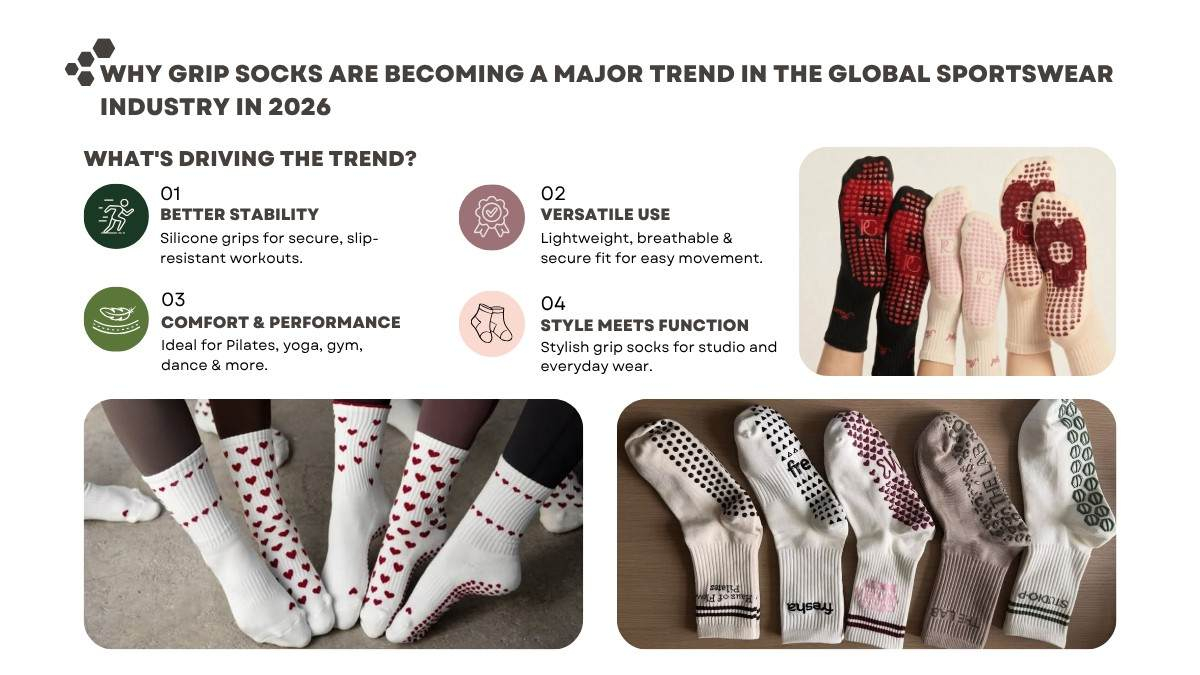
For a private-label brand, the fibre chosen for a sock affects far more than its feel. It influences product positioning, yarn blends, colour development, construction, packaging and the story a brand can credibly tell about the finished product.
That makes Tencel™ Lyocell an interesting option for businesses developing premium socks. Tencel fibres are known for their smooth hand feel and moisture-management properties, while their wood-based sourcing and production process can support a more considered material strategy.
For brands exploring Tencel socks private label, the attraction is not simply the fibre itself. It is the opportunity to build a differentiated sock range around comfort, material choice and thoughtful product development.
Table of Contents
TogglePremium Softness and Smooth Texture
Socks sit directly against the skin for hours, so hand feel matters. TENCEL™ Lyocell fibres are naturally soft and smooth, giving fabrics a refined feel that can suit premium everyday products.
For private-label brands, this creates room to position Tencel socks above basic commodity products. A softer, smoother sock can work particularly well for:
– Premium everyday collections
– Comfort-focused apparel ranges
– Lifestyle and fashion socks
– Higher-value private-label products
– Brands seeking a distinctive material story
The final result still depends on yarn quality, blend composition, knitting structure and finishing. Fibre selection is important, but it is only one part of the manufacturing equation.
Moisture Management and Breathability
Tencel™ Lyocell is also associated with moisture control and a natural dry feeling. These characteristics can make it relevant to socks intended for everyday wear, active lifestyles and warmer climates.
For sportswear brands, for example, Tencel can be considered alongside other fibres when developing socks where moisture management and comfort are priorities. It can also suit casual collections designed for extended daily wear.
The key point for buyers is to evaluate the complete sock construction, rather than assuming the fibre alone determines performance. Yarn blend, knitting density, elastane content, cushioning and finishing all influence the finished product.
Sustainable Fibre Sourcing
Sustainability is increasingly becoming part of product-development decisions, particularly for brands selling into markets where material transparency matters.
TENCEL™ Lyocell is a regenerated cellulosic fibre made from wood sourced from controlled or certified origins. Lenzing states that its Lyocell production uses a closed-loop process that recovers more than 99.8% of the solvent.
For a private-label business, this provides a more specific sustainability story than simply describing a sock as “eco-friendly”. Buyers should still request appropriate documentation for the actual yarn and finished product before making certification or environmental claims on packaging.
Custom Colours and Yarn Blends
A successful private-label collection rarely consists of one standard sock. Brands often need colours, compositions and specifications that fit their existing product range.
Depending on manufacturing capabilities, Tencel socks can be developed using:
– Custom colour requirements and colour matching
– Different yarn compositions
– Tencel blended with suitable complementary fibres
– Different thicknesses and constructions
– Product-specific comfort or performance targets
Blending can also help manufacturers balance softness, strength, elasticity, durability and cost. The appropriate composition should therefore be established during product development rather than selected solely for marketing purposes.
Private-Label Branding and Logo Customisation
The value of private-label manufacturing is control over the finished product’s identity.
A Tencel sock can potentially be developed with brand-specific elements such as:
– Knitted or jacquard logos
– Custom colours and patterns
– Brand labels
– Size and care labels
– Custom packaging
– Retail-ready presentation
Texcyle‘s published manufacturing information indicates support for custom logos, labels, packaging and design development for private-label buyers.
For brands, this means the product can be developed as part of a wider collection rather than treated as a generic sock with a logo added at the end.
Versatile Styles for Sports, Casual and Formal Wear
One advantage of using a premium fibre platform is the ability to develop different products without completely changing the material story.
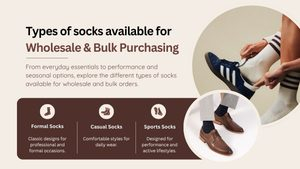
Tencel socks may be considered for:
– Sports and athletic socks
– Casual everyday socks
– Business and formal socks
– Lifestyle collections
– Premium fashion socks
The construction will change according to the intended use. A sports sock may require different cushioning, elasticity or ventilation from a fine business sock, even when both use Tencel as a major fibre.
Custom Knitting Patterns and Designs
Custom manufacturing also gives brands greater freedom over the visual language of a sock.
Depending on the equipment and production specification, designs can include rib structures, stripes, colour blocking, textured surfaces, jacquard patterns and brand-specific motifs.
This matters commercially because a distinctive design can make a relatively small accessory more recognisable within a retail collection. During development, however, design complexity should be considered alongside stitch structure, yarn selection, production efficiency and target cost.
Eco-Friendly Packaging and Retail Presentation
A sustainable product strategy should not necessarily stop with the sock.
Brands can consider packaging formats such as:
– Paper-based tags
– Recyclable packaging
– Reduced-plastic formats
– Custom branded sleeves or boxes
– Retail-ready presentation
Packaging choices should be assessed against the brand’s actual sustainability requirements, durability during transport and the expectations of the target retail channel.
Texcyle’s existing manufacturing content also highlights custom packaging and retail presentation as part of its private-label offering.
Flexible Bulk Manufacturing and MOQ Options
For B2B buyers, product quality is only part of the decision. The manufacturing process must also work commercially.
Before placing an order, buyers should establish:
– Sample-development requirements
– MOQ by design, colour and size
– Production planning
– Quality-control checkpoints
– Lead-time expectations
– Packaging specifications
– Repeat-order requirements
MOQ can vary significantly according to product complexity and customisation. Texcyle’s own supplier guidance recommends assessing MOQ, sampling, pricing and production timelines before committing to a bulk order.
For a brand testing a new sustainable sock range, this planning is particularly important. A successful sample should lead to a repeatable specification rather than a product that is difficult to reproduce consistently.
Export-Ready Quality and Global Market Appeal
Tencel socks can fit naturally into international product ranges where comfort, premium materials and sustainability are part of the purchasing proposition.
For buyers in the USA, UK and India, supplier evaluation should cover more than the finished sock. Product specifications, yarn documentation, labelling, packaging, quality control and export processes all need to be considered.
A business searching for a Tencel socks supplier in India should therefore compare manufacturers on material knowledge, sampling, customisation, quality systems, MOQ, production planning and export experience rather than choosing solely on unit price.
Texcyle’s published sourcing guidance similarly recommends physical samples, documented specifications and checks covering materials, sizing, stitching, colour and finishing before bulk production.
Build a Better Private-Label Sock Collection with Tencel
Tencel offers private-label brands an appealing combination of soft hand feel, moisture-management characteristics and a well-defined fibre sourcing story. More importantly, it can be incorporated into a broader product-development process covering yarn blends, knitting, colours, branding and packaging.
For businesses developing sustainable socks for the USA, UK or Indian markets, the right manufacturing partner should be able to translate those material goals into a commercially workable product.
If you are exploring Tencel socks private label, custom development or bulk manufacturing, speak with the Texcyle team today about your product specifications, branding and sourcing requirements.
FAQs:
1. What are the benefits of Tencel socks for private-label clothing brands?
Tencel socks offer softness, moisture management, sustainability positioning, customisation opportunities and flexible branding for premium private-label collections.
2. Can Tencel socks be customised with different colours, designs, logos and packaging?
Yes. Depending on manufacturer capabilities, Tencel socks can feature custom colours, patterns, logos, labels and branded packaging.
3. What should buyers consider when sourcing Tencel socks from Indian manufacturers?
Consider material specifications, sampling, quality control, customisation, MOQ, lead times, packaging, export experience and relevant certifications or documentation.
Visit texcyle.coto learn more about the brand and its offerings or Call us at +91 7982201014 to discuss your requirements.