A good pair of Pilates socks needs to do more than look nice. It should stay in place during movement, offer grip on the floor and feel comfortable all through a class. These needs are shaping Pilates socks trends 2026 with focus on what the material is made of, how the bottom of the sock is designed, what extra features are included and how the socks can be made unique.
For businesses that sell Pilates socks for Pilates studios and for companies that make their brands this means there is a chance to create products that work well and also look good. The choices made before making the socks, especially what kind of yarn is used where the grip is placed and how the sizes are chosen can affect how happy customers are and if they come back again.
Here are the directions to think about when planning a Pilates sock collection for 2026.
Table of Contents
ToggleSustainable Materials: Organic Cotton, Bamboo and Recycled Yarns
Choosing what the socks are made of is becoming more important in making Pilates socks. Organic cotton is still a choice because it feels soft takes in moisture and works well for regular use in the studio. Bamboo-based yarn is also used in types of socks. It feels smooth. Brands should know that the real bamboo yarn is different from the ones made from regenerated fibre. They should not think they are the same.
Recycled polyester can be used in mixtures if the socks need to last keep their shape and dry quickly. A small amount of material helps the socks keep their shape and fit.
Breathable Moisture-Wicking and Quick-Drying Yarns
Pilates includes moves, stretching and holding positions. Socks that get wet or feel uncomfortable can make it hard to focus. Socks that let air in take in sweat and use the mix of materials can help keep the feet dry. Adding areas with mesh and lighter knitting can help for studios that are warm.
One thing to remember is that taking in moisture and moving it away are not the same. Cotton takes in sweat while polyester-based materials take in dry faster.
Full-Sole Silicone Grip Patterns for Better Traction
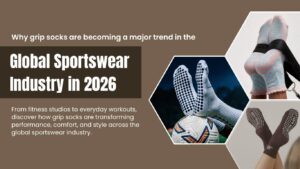
Where the grip is placed is one of the important choices when making Pilates socks. Old designs use grip spots on the front and back but new ideas use more coverage across the whole bottom.
Sole grip can give more contact points but how well it works depends on the type of grip material how far apart the spots are, how it is put on and the floor it is used on.
Manufacturers should check:
– How much of the foot the grip covers including the heel, the middle and the front.
– How well the grip stays after being washed times.
– How flexible the design is when the foot moves.
– If all the socks made are the same.
Minimalist, Floral and Geometric Grip Designs
Grip patterns are also becoming a part of the look not just something that works. Simple dots, flower shapes, shapes that look like numbers and designs that match a brands logo can help make the socks stand out without using lots of pictures.
For brands that make their socks the grip pattern can go with the color the top part of the sock and the brands name. A studio that likes styles might choose colours that match while a brand that likes fun might choose bright shapes.
Ballet-Inspired Pilates Socks with Cross-Strap Details
Styles that look like ballet shoes are another way to make Pilates socks special. Cross straps, edges and gentle colours make the socks look more stylish. These styles are good for brands that want to sell to studios and people who like the connection between Pilates, barre and dance clothes.
For the people making the socks, where the straps go is important. The elastic should keep the sock on. Not make the foot feel tight or stop movement.
Toe-Separated and Open-Toe Grip Socks
Socks that have toes or open toes are popular with people who like to have more space for their toes during classes. Each toe has its space, which feels different from regular socks and half-toe designs leave the toes open but cover the rest of the foot.
These styles need care because the size of the toes, where the seams are and how stretchy the material is all affect comfort.
Ankle, Quarter and Crew-Length Styles
How the socks are affects both how they look and how they work. Ankle-length socks are short and simple quarter-length ones give coverage and crew-length socks offer more space for branding and decoration. A store can have lengths to suit different people without changing the overall look of the socks.
Trend-Driven Colours: Earthy Neutrals, Pastels and Bold Accents
Choosing colours can help a Pilates sock collection stand out in a market that cares a lot about looks. Colours like beige, dark gray and green give a look. Light pink, purple and soft blue work for colours that feel light and calm. Dark red, deep purple and bright colours give a look.
For companies that buy in amounts keeping the same colours across all the production runs is a challenge. They should keep the approved colour samples and real examples before starting to make amounts.
Custom Logos, Jacquard Knitting and Private-Label Branding
Customisation gives brands an opportunity to develop Pilates socks that reflect their identity. Options may include logo placement, colour combinations, knitted details, grip patterns and branded packaging, depending on the manufacturer’s available capabilities.
A Custom Pilates socks manufacturer should be able to discuss the product brief, material requirements, design files and sampling process before bulk production begins. Buyers should also clarify which details can be knitted into the sock and which require a separate application.
Premium Packaging, Multipacks and Customised Retail Collections
How the socks are wrapped can change how they look in stores online and at the studio. Single socks are good for people who want one pair while buying more at once helps stores create matching groups. Special sets for the studio colours that change with the season and gifts with the brands name are ways to sell. The packaging should include details like the name, the size, the barcodes, the picture and what materials are used.
Texcyle has services that help with packaging making the socks special and using eco- options. This is a place to start for brands that want to make their own sock collections.
FAQs:
1. What materials are popular for Pilates socks in 2026?
Organic cotton, blends with polyester, stretchy materials and yarn made from bamboo are the materials people are looking at for Pilates socks.
2. What kinds of grip designs are used most for Pilates and studio socks?
Sole grip, simple dots flower patterns and shapes that look like numbers are the options that people like the most for socks used in studios.
3. What choices are there, for making Pilates socks special for your brand?
Options include colours pictures made with knitting patterns made with knitting, grip designs, labels, sizes and packaging that shows the brands name.
Visit texcyle.co to learn more about the brand and its offerings or Call us at +91 7982201014 to discuss your requirements.