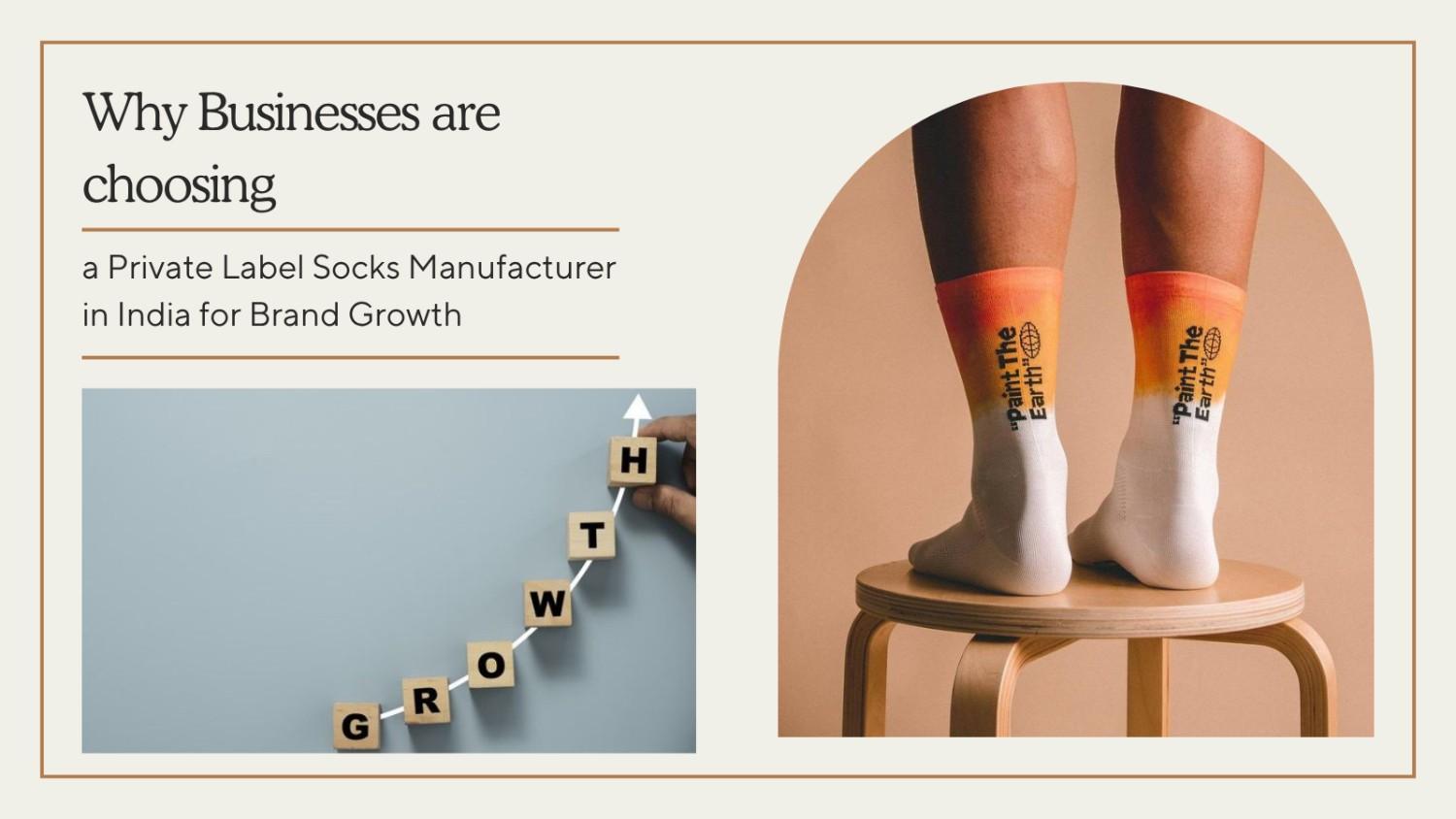
Why Businesses Are Choosing a Private Label Socks Manufacturer in India for Brand Growth

Private label socks manufacturer partnerships have become an attractive path for brands that want to put their name on a product without building manufacturing infrastructure from scratch. The concept is simple: you design the product, develop the brand, and handle customer relationships and marketing, and a manufacturing partner handles production. India has become one of the leading destinations for this kind of arrangement, and the reasons are worth understanding if you’re evaluating where to source.

Whether you’re an established retailer looking to extend into own-brand products, or a new entrepreneur building a brand from the ground up, getting the manufacturing partnership right is probably the most consequential decision you’ll make in the early stages.

The Cost Argument and Why It’s More Than Just Price

The conversation about manufacturing in India often starts with cost, and it’s a legitimate starting point. Labour costs are competitive, the textile infrastructure is mature, and the supply chains for raw materials are well established. All of that translates into manufacturing costs that allow brands to build reasonable margins without pushing retail prices to the point where customers baulk.

But framing this purely as a price conversation misses the more interesting story. Many private-label socks manufacturers in India have invested heavily in modern knitting technology and quality management systems. The competitive pricing doesn’t come at the expense of quality; it comes from operational efficiency and scale that’s been built up over decades of textile industry development.

For brands, this means the choice isn’t between cheap-and-acceptable versus expensive-and-good. It’s between different manufacturing partnerships with different capabilities, at a price range that makes private label economically viable.

What Quality Actually Looks Like at This Level

Quality in socks manufacturing is more granular than most brands realise when they start evaluating suppliers. It’s not just about whether a sock holds together after washing, it’s about consistency across production batches, stitching accuracy, colour matching between orders, yarn weight and density meeting specifications, and finishing details that affect how the product looks and feels to the end customer.

Reliable private label socks manufacturer India partnerships are built on quality management systems that track all of these variables across every run. That consistency is what allows brands to offer products with confidence, knowing the tenth batch will meet the same standards as the first.

The commercial consequence of inconsistent quality is often underestimated. Returns, negative reviews, and customer service overhead can erode the margin advantage of lower manufacturing costs surprisingly quickly. Getting quality right at the manufacturing level protects the entire business model downstream.

Customisation Is the Whole Point

Private label manufacturing makes sense because it gives brands control over the product. If all you wanted was a generic sock with a label stuck on it, you’d buy wholesale and rebrand. Private label is about creating something that actually reflects your brand identity.

Working with a capable private-label socks manufacturer in India gives brands control over essentially everything:

  • Colour combinations and pattern designs
  • Yarn composition and weight
  • Sock length and silhouette
  • Grip technology and sole construction
  • Compression features and arch support
  • Embroidery, woven logos, and branding placement
  • Labels, hangtags, and packaging formats

That breadth of customisation is what makes private label competitive. A well-executed branded sock is a genuinely differentiated product, not just a commodity with a different label.

The Range of Products Available

The sock category is broader than it might initially appear, and established manufacturers can produce across most of it. Brands don’t have to specialise narrowly from the start:

  • Sports and athletic socks for a range of activities
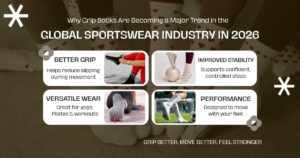
  • Grip socks for yoga, Pilates, fitness, and rehabilitation
  • Corporate and dress socks for professional markets
  • Bamboo socks for sustainability-focused positioning
  • Organic cotton socks for eco-conscious consumers
  • Compression socks for medical and performance applications
  • Fashion socks for lifestyle and gifting markets
  • Children’s socks for family-oriented brands
  • Thermal socks for cold-weather markets

Being able to expand across categories with a single manufacturing partner simplifies sourcing considerably as a brand grows.

India’s Textile Industry Isn’t New to This

India has been a significant player in global textile production for generations. The knowledge base in yarn engineering, knitting technology, dyeing, finishing, and quality control has accumulated over decades. This isn’t a manufacturing ecosystem that’s still figuring things out; it has worked through the difficult learning curves and emerged with genuine expertise.

That experience matters in practical terms. When brands bring specifications to established manufacturers, they’re working with teams that have seen similar requests many times before and know how to turn design intent into production reality. Problems get identified early, sampling rounds are more efficient, and production runs are less likely to produce surprises.

Sustainability Isn’t an Afterthought
Consumer expectations around sustainability have become a meaningful factor in purchasing decisions across most retail categories. Brands that can’t speak coherently about their supply chain sustainability are increasingly at a disadvantage, particularly with younger shoppers.

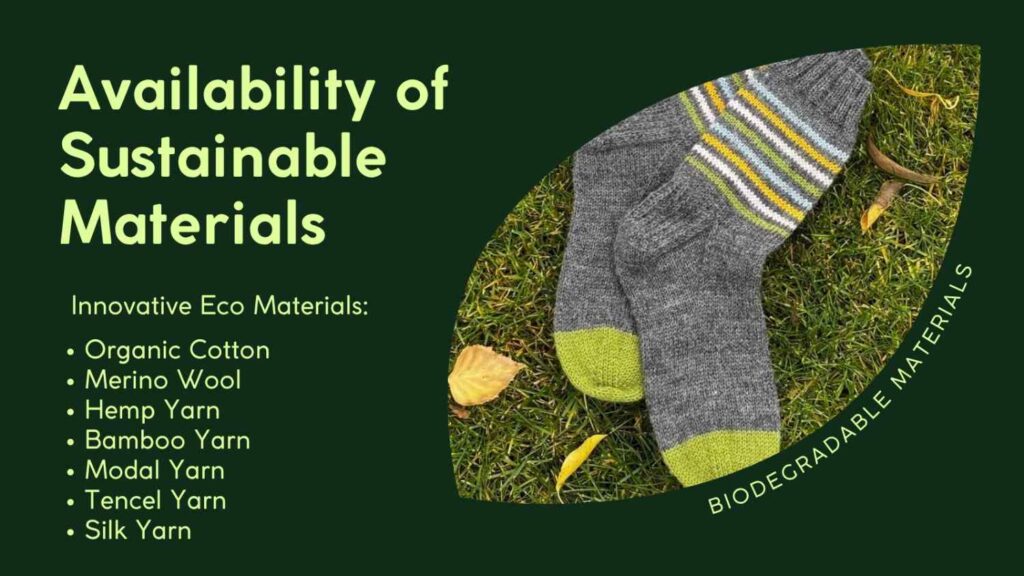
Many private label socks manufacturers in India now include partnerships that include access to sustainable materials, organic cotton, bamboo fibres, recycled polyester, and other eco-friendly yarn options. This allows brands to build sustainability credentials that are backed by actual sourcing choices rather than just marketing language.

Some manufacturers have also invested in sustainable production practices and packaging options, which allows brands to make a more comprehensive case for their environmental responsibility.

Smaller Orders Are Available, and That Matters

The traditional barrier to private label for smaller brands was the minimum order quantity. Large MOQs meant large upfront capital commitments, which put private label out of reach for startups and boutique retailers.

That’s changed. Many manufacturers now offer genuinely flexible minimums that make private label accessible earlier in a brand’s development. You can test a design, gather customer feedback, and scale production based on real market data rather than projections. The risk profile of private label has improved substantially as a result.

For UK brands exploring international sourcing for the first time, this flexibility reduces the stakes of initial decisions considerably.

Speed Matters in Fashion

The fashion industry increasingly rewards brands that can move quickly. Seasons change, trends emerge, and customer preferences shift faster than they used to. A manufacturing partner that can deliver from concept to final product efficiently is a genuine competitive advantage.

Experienced manufacturers streamline the stages that often slow brands down: sampling turnaround, design approval processes, production scheduling, and packaging coordination. For brands that want to run seasonal collections or respond quickly to market signals, operational efficiency is worth as much as the price point.

Export Capability and Global Reach
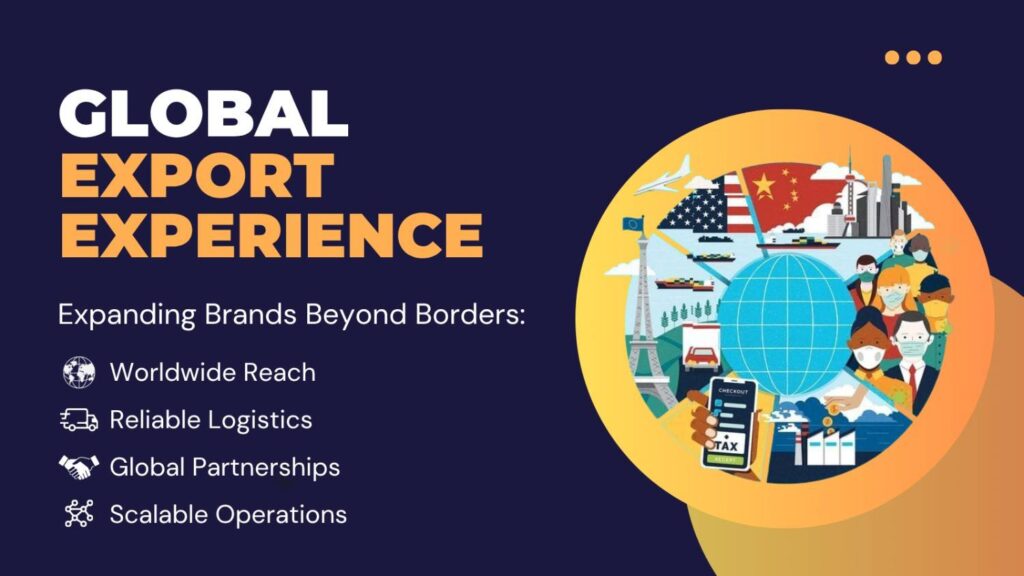
For non-Indian brands in the UK, Europe, North America, Australian working with a manufacturer that has real export experience simplifies a lot of logistical complexity. Documentation, shipping compliance, packaging requirements for different markets, and customs handling are all areas where experienced exporters have established processes.

Many private label socks manufacturers in India have long-standing relationships with international logistics partners and a track record of compliant export to multiple markets. For brands without their own international sourcing expertise, that capability is genuinely valuable.

Standing Out in a Crowded Market

The core commercial argument for private label is brand differentiation. When every product on a shelf or a web page comes from the same handful of manufacturers, the brands that have invested in genuinely differentiated products in design, materials, construction, packaging, and brand story tend to outperform.

Private label manufacturing is what makes that differentiation possible. It gives brands control over the product attributes that matter to their target customers, and it creates the exclusivity that encourages repeat purchase.

As consumer expectations for personalised, distinctive products continue to rise, partnering with an experienced private label socks manufacturer provides the foundation for building something that can genuinely last in a competitive market.

FAQs:

1. What exactly is a private-label socks manufacturer?

A manufacturer that produces socks according to your specifications, which you then sell under your own brand name. You control design, branding, and positioning hey handle production.

2. Why is India a preferred destination for private-label socks manufacturing?

A combination of deep textile industry expertise, competitive but not cheap pricing, advanced manufacturing capabilities, and significant experience serving international export markets.

3. What are the main benefits for brands?

Control over product identity, competitive manufacturing costs, access to a wide range of materials and construction options, and the ability to create genuinely differentiated products.

4. What types of socks can be manufactured under a private label?

Sports, dress, compression, bamboo, organic cotton, thermal, children’s, grip, and fashion socks, most established manufacturers can handle the full range.

5. What customisation options are realistically available?

Colours, patterns, yarn composition, grip technology, compression features, embroidery, labels, logos, packaging formats, and custom sizing.

6. Are Indian private label manufacturers set up to supply global brands?

Yes. Most established manufacturers export regularly to Europe, North America, Australia, and the Middle East, and have the documentation and logistics experience to support that.

7. Can manufacturers provide fully branded packaging?

Yes. Branded packaging, custom labels, hangtags, and retail-ready presentation are standard offerings from manufacturers working with brand clients.

8. How does private label manufacturing help a brand grow?

It creates product exclusivity, strengthens brand identity, enables better margins than reselling generic products, and builds the kind of customer loyalty that comes from offering something they can’t find elsewhere.

9. How long does the production process take?

It varies by order size and customisation complexity, but most manufacturers provide a production timeline after sample approval. First orders typically take longer as the sampling process establishes final specifications.

10. What should brands evaluate when choosing a manufacturer?

Manufacturing experience, quality control processes, customisation range, certifications, communication responsiveness, minimum order flexibility, production capacity, and export track record.

Reach out at info@texcyle.co or Call Us Today +917982201014 and explore what Texcyle can do for your brand.
Leave a Reply

Your email address will not be published. Required fields are marked *

Private label socks manufacturer partnerships have become an attractive path for brands that want to put their name on a product without building manufacturing infrastructure from scratch. The concept is simple: you design the product, develop the brand, and handle customer relationships and marketing, and a manufacturing partner handles production. India has become one of the leading destinations for this kind of arrangement, and the reasons are worth understanding if you’re evaluating where to source.

Whether you’re an established retailer looking to extend into own-brand products, or a new entrepreneur building a brand from the ground up, getting the manufacturing partnership right is probably the most consequential decision you’ll make in the early stages.

The Cost Argument and Why It’s More Than Just Price

The conversation about manufacturing in India often starts with cost, and it’s a legitimate starting point. Labour costs are competitive, the textile infrastructure is mature, and the supply chains for raw materials are well established. All of that translates into manufacturing costs that allow brands to build reasonable margins without pushing retail prices to the point where customers baulk.

But framing this purely as a price conversation misses the more interesting story. Many private-label socks manufacturers in India have invested heavily in modern knitting technology and quality management systems. The competitive pricing doesn’t come at the expense of quality; it comes from operational efficiency and scale that’s been built up over decades of textile industry development.

For brands, this means the choice isn’t between cheap-and-acceptable versus expensive-and-good. It’s between different manufacturing partnerships with different capabilities, at a price range that makes private label economically viable.

What Quality Actually Looks Like at This Level

Quality in socks manufacturing is more granular than most brands realise when they start evaluating suppliers. It’s not just about whether a sock holds together after washing, it’s about consistency across production batches, stitching accuracy, colour matching between orders, yarn weight and density meeting specifications, and finishing details that affect how the product looks and feels to the end customer.

Reliable private label socks manufacturer India partnerships are built on quality management systems that track all of these variables across every run. That consistency is what allows brands to offer products with confidence, knowing the tenth batch will meet the same standards as the first.

The commercial consequence of inconsistent quality is often underestimated. Returns, negative reviews, and customer service overhead can erode the margin advantage of lower manufacturing costs surprisingly quickly. Getting quality right at the manufacturing level protects the entire business model downstream.

Customisation Is the Whole Point

Private label manufacturing makes sense because it gives brands control over the product. If all you wanted was a generic sock with a label stuck on it, you’d buy wholesale and rebrand. Private label is about creating something that actually reflects your brand identity.

Working with a capable private-label socks manufacturer in India gives brands control over essentially everything:

  • Colour combinations and pattern designs
  • Yarn composition and weight
  • Sock length and silhouette
  • Grip technology and sole construction
  • Compression features and arch support
  • Embroidery, woven logos, and branding placement
  • Labels, hangtags, and packaging formats

That breadth of customisation is what makes private label competitive. A well-executed branded sock is a genuinely differentiated product, not just a commodity with a different label.

The Range of Products Available

The sock category is broader than it might initially appear, and established manufacturers can produce across most of it. Brands don’t have to specialise narrowly from the start:

  • Sports and athletic socks for a range of activities
  • Grip socks for yoga, Pilates, fitness, and rehabilitation
  • Corporate and dress socks for professional markets
  • Bamboo socks for sustainability-focused positioning
  • Organic cotton socks for eco-conscious consumers
  • Compression socks for medical and performance applications
  • Fashion socks for lifestyle and gifting markets
  • Children’s socks for family-oriented brands
  • Thermal socks for cold-weather markets

Being able to expand across categories with a single manufacturing partner simplifies sourcing considerably as a brand grows.

India’s Textile Industry Isn’t New to This

India has been a significant player in global textile production for generations. The knowledge base in yarn engineering, knitting technology, dyeing, finishing, and quality control has accumulated over decades. This isn’t a manufacturing ecosystem that’s still figuring things out; it has worked through the difficult learning curves and emerged with genuine expertise.

That experience matters in practical terms. When brands bring specifications to established manufacturers, they’re working with teams that have seen similar requests many times before and know how to turn design intent into production reality. Problems get identified early, sampling rounds are more efficient, and production runs are less likely to produce surprises.

Sustainability Isn’t an Afterthought

Consumer expectations around sustainability have become a meaningful factor in purchasing decisions across most retail categories. Brands that can’t speak coherently about their supply chain sustainability are increasingly at a disadvantage, particularly with younger shoppers.

Many private label socks manufacturers in India now include partnerships that include access to sustainable materials, organic cotton, bamboo fibres, recycled polyester, and other eco-friendly yarn options. This allows brands to build sustainability credentials that are backed by actual sourcing choices rather than just marketing language.

Some manufacturers have also invested in sustainable production practices and packaging options, which allows brands to make a more comprehensive case for their environmental responsibility.

Smaller Orders Are Available, and That Matters

The traditional barrier to private label for smaller brands was the minimum order quantity. Large MOQs meant large upfront capital commitments, which put private label out of reach for startups and boutique retailers.

That’s changed. Many manufacturers now offer genuinely flexible minimums that make private label accessible earlier in a brand’s development. You can test a design, gather customer feedback, and scale production based on real market data rather than projections. The risk profile of private label has improved substantially as a result.

For UK brands exploring international sourcing for the first time, this flexibility reduces the stakes of initial decisions considerably.

Speed Matters in Fashion

The fashion industry increasingly rewards brands that can move quickly. Seasons change, trends emerge, and customer preferences shift faster than they used to. A manufacturing partner that can deliver from concept to final product efficiently is a genuine competitive advantage.

Experienced manufacturers streamline the stages that often slow brands down: sampling turnaround, design approval processes, production scheduling, and packaging coordination. For brands that want to run seasonal collections or respond quickly to market signals, operational efficiency is worth as much as the price point.

Export Capability and Global Reach

For non-Indian brands in the UK, Europe, North America, Australian working with a manufacturer that has real export experience simplifies a lot of logistical complexity. Documentation, shipping compliance, packaging requirements for different markets, and customs handling are all areas where experienced exporters have established processes.

Many private label socks manufacturers in India have long-standing relationships with international logistics partners and a track record of compliant export to multiple markets. For brands without their own international sourcing expertise, that capability is genuinely valuable.

Standing Out in a Crowded Market

The core commercial argument for private label is brand differentiation. When every product on a shelf or a web page comes from the same handful of manufacturers, the brands that have invested in genuinely differentiated products in design, materials, construction, packaging, and brand story tend to outperform.

Private label manufacturing is what makes that differentiation possible. It gives brands control over the product attributes that matter to their target customers, and it creates the exclusivity that encourages repeat purchase.

As consumer expectations for personalised, distinctive products continue to rise, partnering with an experienced private label socks manufacturer provides the foundation for building something that can genuinely last in a competitive market.

FAQs:

1. What exactly is a private-label socks manufacturer?

A manufacturer that produces socks according to your specifications, which you then sell under your own brand name. You control design, branding, and positioning hey handle production.

2. Why is India a preferred destination for private-label socks manufacturing?

A combination of deep textile industry expertise, competitive but not cheap pricing, advanced manufacturing capabilities, and significant experience serving international export markets.

3. What are the main benefits for brands?

Control over product identity, competitive manufacturing costs, access to a wide range of materials and construction options, and the ability to create genuinely differentiated products.

4. What types of socks can be manufactured under a private label?

Sports, dress, compression, bamboo, organic cotton, thermal, children’s, grip, and fashion socks, most established manufacturers can handle the full range.

5. What customisation options are realistically available?

Colours, patterns, yarn composition, grip technology, compression features, embroidery, labels, logos, packaging formats, and custom sizing.

6. Are Indian private label manufacturers set up to supply global brands?

Yes. Most established manufacturers export regularly to Europe, North America, Australia, and the Middle East, and have the documentation and logistics experience to support that.

7. Can manufacturers provide fully branded packaging?

Yes. Branded packaging, custom labels, hangtags, and retail-ready presentation are standard offerings from manufacturers working with brand clients.

8. How does private label manufacturing help a brand grow?

It creates product exclusivity, strengthens brand identity, enables better margins than reselling generic products, and builds the kind of customer loyalty that comes from offering something they can’t find elsewhere.

9. How long does the production process take?

It varies by order size and customisation complexity, but most manufacturers provide a production timeline after sample approval. First orders typically take longer as the sampling process establishes final specifications.

10. What should brands evaluate when choosing a manufacturer?

Manufacturing experience, quality control processes, customisation range, certifications, communication responsiveness, minimum order flexibility, production capacity, and export track record.

Reach out at info@texcyle.co or Call Us Today +917982201014 and explore what Texcyle can do for your brand.
Leave a Reply

Your email address will not be published. Required fields are marked *