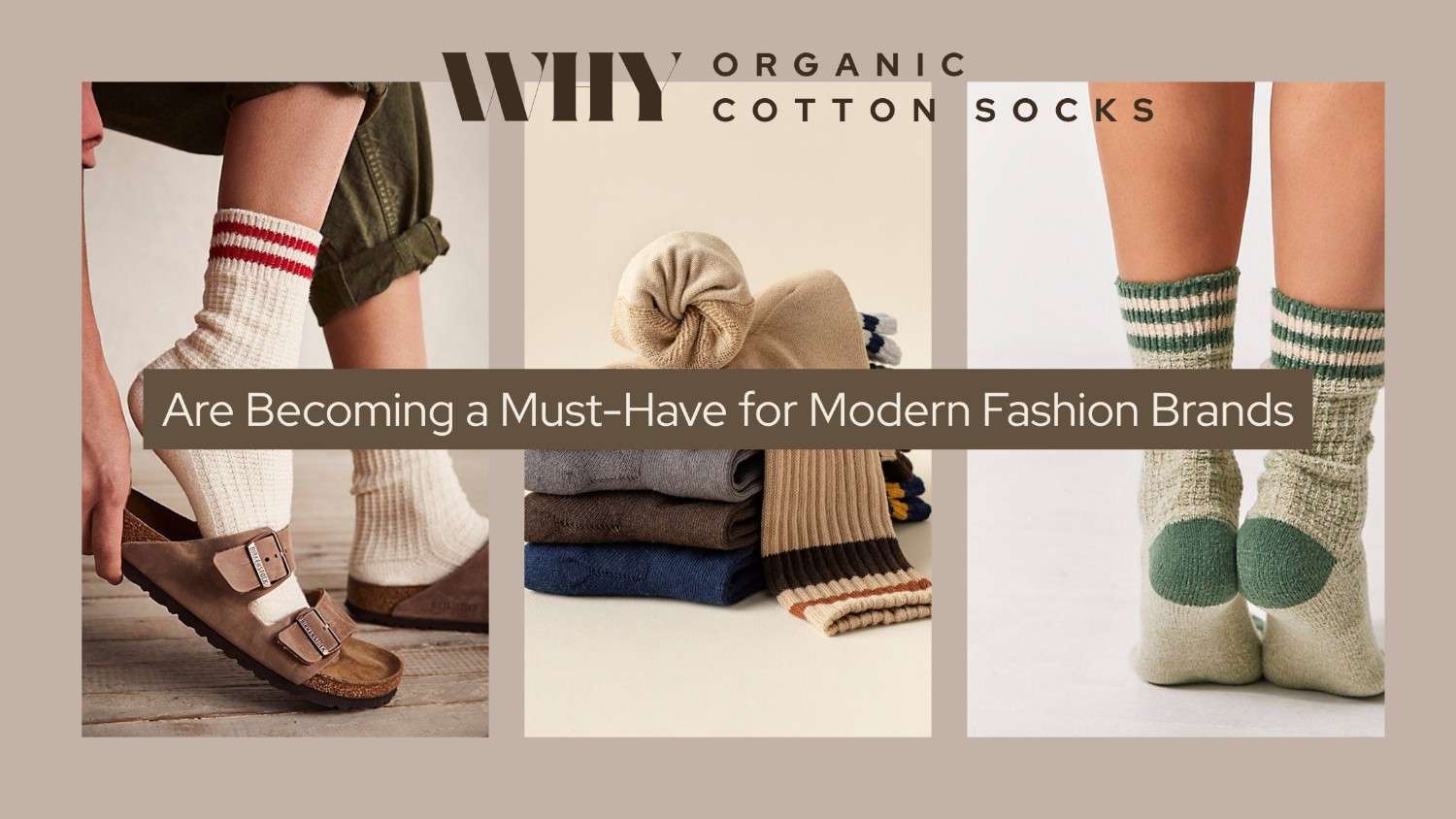
Organic cotton socks wholesale has moved well beyond a niche trend. Today, modern fashion brands of all sizes are taking it seriously — not as a PR move, but because customers are asking for it and the business case is there.
If you’ve been wondering whether the shift to organic cotton is worth it for your brand, the short answer is yes. Here’s why.
Fashion Has a Problem — And Shoppers Are Noticing
Sustainable fashion isn’t a single thing — it covers everything from how raw materials are grown, to how workers are treated, to what happens to a product at the end of its life. And it’s no longer something modern brands can afford to ignore.
Shoppers today do their homework. They read labels, check certifications, and look up how companies source their materials. Brands that can’t answer those questions clearly are losing ground to ones that can.
So What Exactly Makes a Socks “Organic”?
Organic cotton socks are made from cotton grown without synthetic pesticides, chemical fertilisers, or genetically modified seeds. The farming process is designed to work with the land — not against it.
From the outside, organic and conventional cotton socks look and feel the same. The difference is entirely in how the raw material was produced. For shoppers who care about what went into making their clothes, that difference matters a lot.
The Real Cost of Conventional Cotton Nobody Talks About
Conventional cotton farming is resource-heavy. It relies on chemical inputs that deplete soil over time and can pollute the waterways near farming communities. Switching to organic methods reduces that damage significantly.
When you source through a reliable organic cotton socks Supplier, you’re working with cotton grown using practices that protect soil health, support local biodiversity, and leave far less chemical pollution behind. That’s a genuine environmental win — not just a marketing claim.
Does Organic Cotton Actually Use Less Water? Here’s the Truth
One concern that comes up often is water use. Some people assume organic cotton uses more water than conventional farming. In practice, the picture is more balanced.
Organic farming prioritises soil health, and healthy soil holds moisture much more efficiently. In many regions, well-managed organic fields can get by largely on rainfall, with less reliance on irrigation. As water shortages become more common globally, that’s a practical advantage — not just an environmental one.
Your Skin Notices What Your Eyes Can’t See
People with sensitive skin often notice the difference right away. Organic cotton has fewer chemical residues than conventional cotton, which means less chance of irritation for skin that reacts to standard textiles.
Even for people without particular sensitivities, organic cotton tends to feel softer and gentler against the skin. It’s a real product benefit — not just a feel-good claim.
Sustainable Doesn’t Mean You’re Giving Something Up
Organic cotton socks perform well in everyday use. They’re breathable, manage moisture reasonably well, and hold up through regular washing without losing their shape or going thin.
This is worth emphasising: switching to organic doesn’t mean asking your customers to accept a lesser product. The quality is there. Modern brands can offer a sustainable option without any trade-off on performance.
Good Ethics Don’t Stop at the Farm Gate
Sustainable sourcing doesn’t stop at the farm. How a factory is run matters just as much. The best manufacturers work with certified facilities that pay fair wages, operate safely, and take environmental responsibility seriously throughout the production process.
For brands, this means building a supply chain they can actually talk about. One that holds up when customers or journalists start asking questions — rather than one that falls apart under scrutiny.
Customers Are Voting With Their Wallets — and Winning
The appetite for sustainable products has been building steadily for years, and it’s not slowing down. Younger shoppers in particular are making buying decisions based on brand values — and they talk about it. They share what they find, and they remember which brands aligned with what they care about.
Brands that build a credible sustainability story are seeing real loyalty as a result. Brands that don’t are finding it harder to compete on values alone.
Why Smart Brands Are Making the Switch Right Now
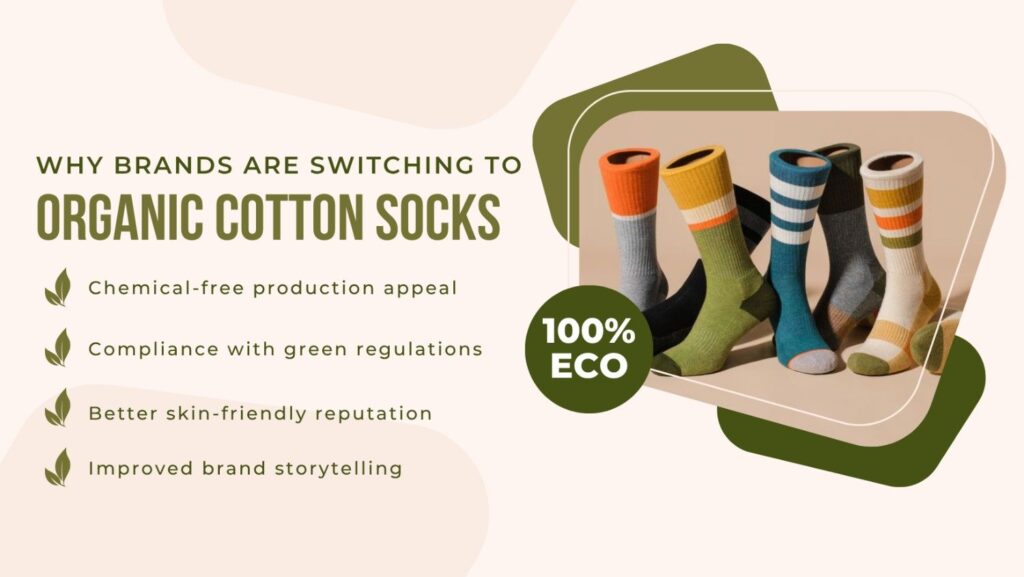
The decision to switch usually comes down to three things: customer demand is real, the quality is there, and the business case holds up. Organic cotton socks wholesale orders can now be fulfilled at competitive prices without sacrificing production standards.
Working with the right organic cotton socks Supplier also means brands gain access to the certifications and documentation they need to back up their claims — which matters more every year as retailers and consumers raise the bar.
The Brands That Start Now Will Lead Tomorrow
Sustainability requirements in fashion are only going to get tighter — driven by regulation in some markets and by customer expectations in others. Modern fashion brands that have already made the shift will navigate that change with far less disruption than those who wait.
The brands investing in organic cotton socks wholesale now are building something more than a product line. They’re building supplier relationships, certifications, and operational knowledge that will become genuinely valuable over the next ten years.
FAQs:
1. How are organic cotton socks different from regular cotton socks?
They’re made from cotton grown without synthetic pesticides, chemical fertilisers, or GM seeds. The farming approach is designed to be less damaging to soil and the wider environment.
2. Are organic cotton socks better for the environment?
Yes — across several measures. Less chemical pollution, healthier soil, better biodiversity around farms, and often lower water use when the land is managed well.
3. Are organic cotton socks comfortable?
Very. They’re naturally soft and breathable, and the reduced chemical residue makes them a good choice for everyday wear, including for people with sensitive skin.
4. Can people with sensitive skin wear organic cotton socks?
Yes, and they’re often specifically recommended for this reason. Fewer residues mean less chance of irritation for skin that reacts to conventional textiles.
5. Why are organic cotton socks considered sustainable?
Because they come from farming methods that protect soil and water, and typically through supply chains that take ethics and environmental standards seriously at every stage.
6. Why are fashion brands investing in organic cotton socks?
Because the demand from customers is real, the quality matches conventional alternatives, and the brand story is easy to tell. It’s one of the few situations where doing the right thing and doing the commercially smart thing line up.
Reach out at info@texcyle.co or Call Us Today +917982201014 and explore what Texcyle can do for your brand.