What Makes Premium Pilates Socks Different from Regular Socks?

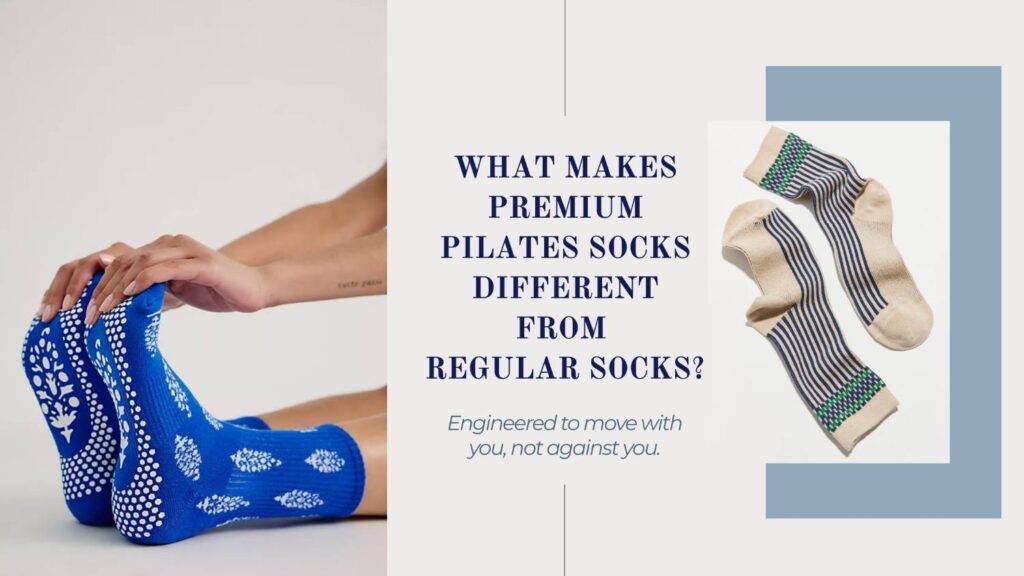
Pilates socks manufacturers know something that most people don’t think about until they’re halfway through a class on a polished studio floor: not all socks are created equal, and the gap between a regular pair and one built for Pilates is bigger than it looks. On the surface, they’re both socks. In practice, the differences show up immediately in how your feet feel during balance work, how confidently you move on a reformer, and whether you’re constantly adjusting your footing or actually focusing on the exercise.

As Pilates has grown well beyond specialist studios and into gyms, wellness centres, and home routines, more people are discovering that the right footwear matters. Here’s why premium Pilates socks earn their place in a kit bag.

The Safety Gap Is Real

Standard socks are smooth on the bottom. That’s fine for carpet or for inside shoes, but put them on a hardwood studio floor or a vinyl mat, and they become genuinely slippery. Most people who’ve taken a Pilates class in regular socks have experienced that uncomfortable moment where a foot slides slightly during a controlled movement, enough to break concentration, enough to cause a stumble, potentially.

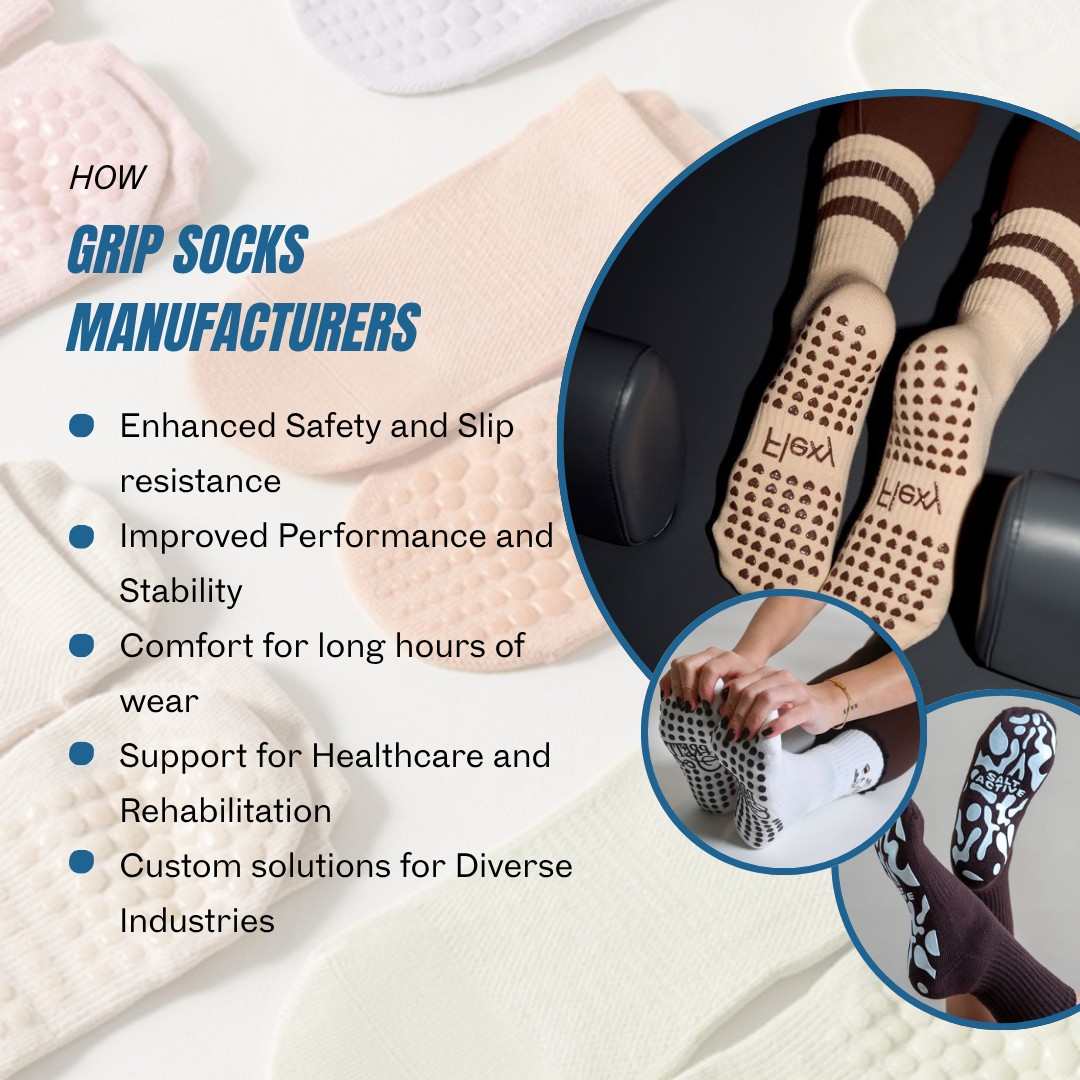
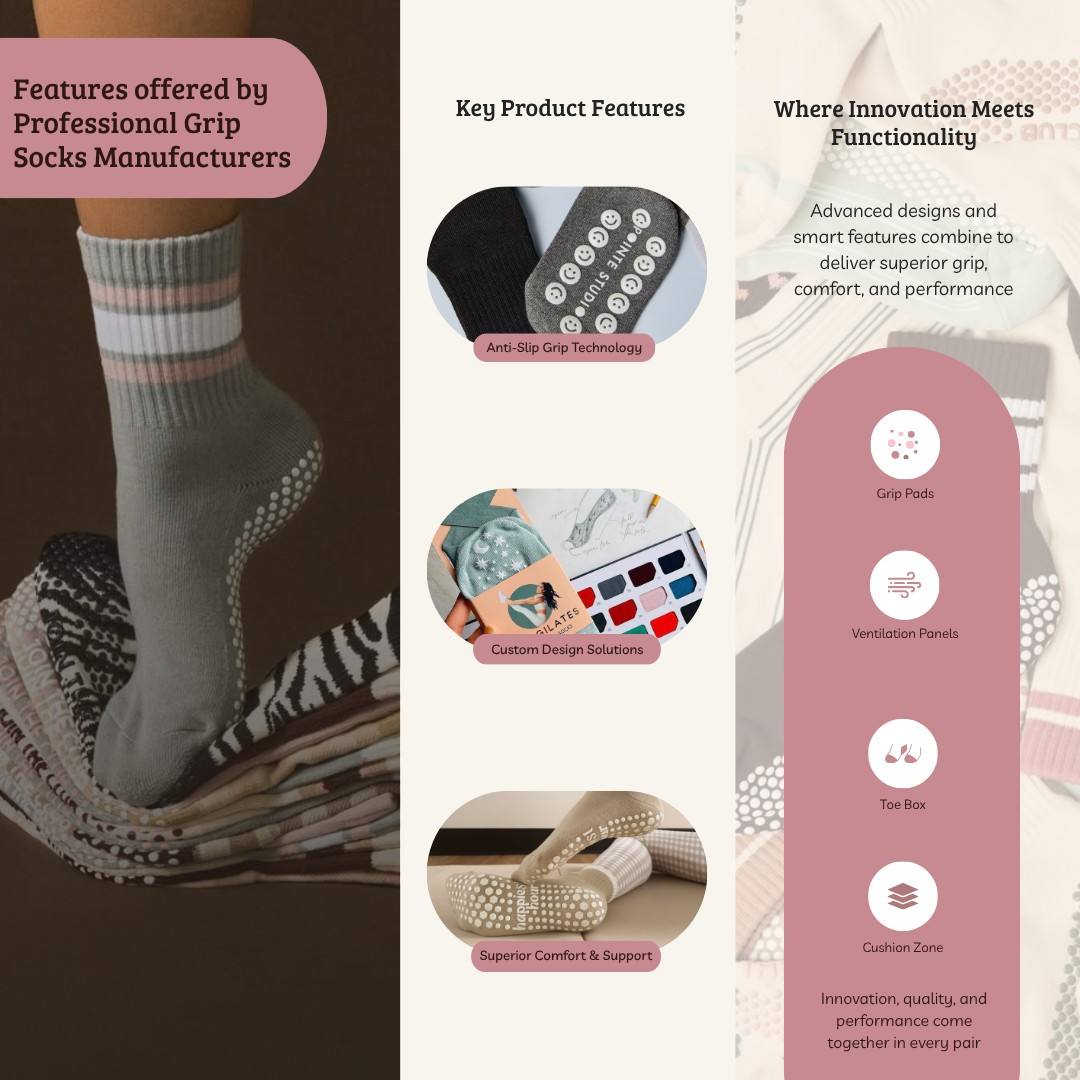
Premium Pilates socks address this with grip patterns on the soles, usually silicone-based and designed specifically for the surfaces found in fitness studios. The traction they provide isn’t as dramatic as a rubber sole; it’s subtle and responsive, allowing natural foot movement while eliminating the sliding that undermines control.

For exercises that require precise balance or that challenge stability deliberately, that grip isn’t a luxury. It’s what lets you focus on the movement rather than on staying upright. Many leading pilates socks manufacturer brands design their grip patterns specifically around studio environments, testing them on the kinds of surfaces practitioners actually use.

Grip Technology: What’s Actually Under Your Foot

The grip sole is the most visible difference between Pilates socks and regular socks, and it’s worth understanding what good grip technology actually looks like. The best versions use high-quality silicone placed at the points where the foot applies most pressure, typically the ball, the heel, and sometimes the arch, rather than covering the entire sole uniformly.

This targeted placement matters because the foot needs to move naturally. A sole covered entirely in grip material can restrict the way the foot flexes and articulates, which is counterproductive in a discipline built around precise, controlled movement. Strategically placed grips maintain traction where it’s needed without interfering with natural biomechanics.

For retailers, studios, and fitness brands that source through a Pilates Socks Supplier, grip durability is the follow-up question that matters most. Silicone grips that peel or wear thin after a few washes undermine the whole point. Good manufacturing shows up in how long the grip holds its integrity through regular use and washing.

What Better Balance Actually Feels Like

Pilates is fundamentally about the relationship between stability and movement. The whole system depends on being able to activate specific muscle groups precisely, and that precision starts with having a stable base. When feet slip even slightly, even briefly, the body compensates in ways that distort the movement chain and reduce the effectiveness of the exercise.

Grip socks give you a more reliable connection with the surface you’re working on. Experienced practitioners often describe this as improved proprioception, a clearer sense of where the foot is and how it’s loaded at any given moment. Whether you’re doing lunges, bridging, side-lying work, or reformer exercises, that clarity in the feet translates directly into better technique through the entire body.

Why Materials Matter More Than You’d Think

A Pilates session is physically demanding in a specific way: sustained, controlled effort over 45 to 60 minutes that generates steady heat without the high-intensity bursts that other workouts produce. Feet get warm. Sweating is normal. In regular socks, that moisture sits against the skin, making the sock feel uncomfortable and, in some cases, actually reducing grip effectiveness as the material dampens.

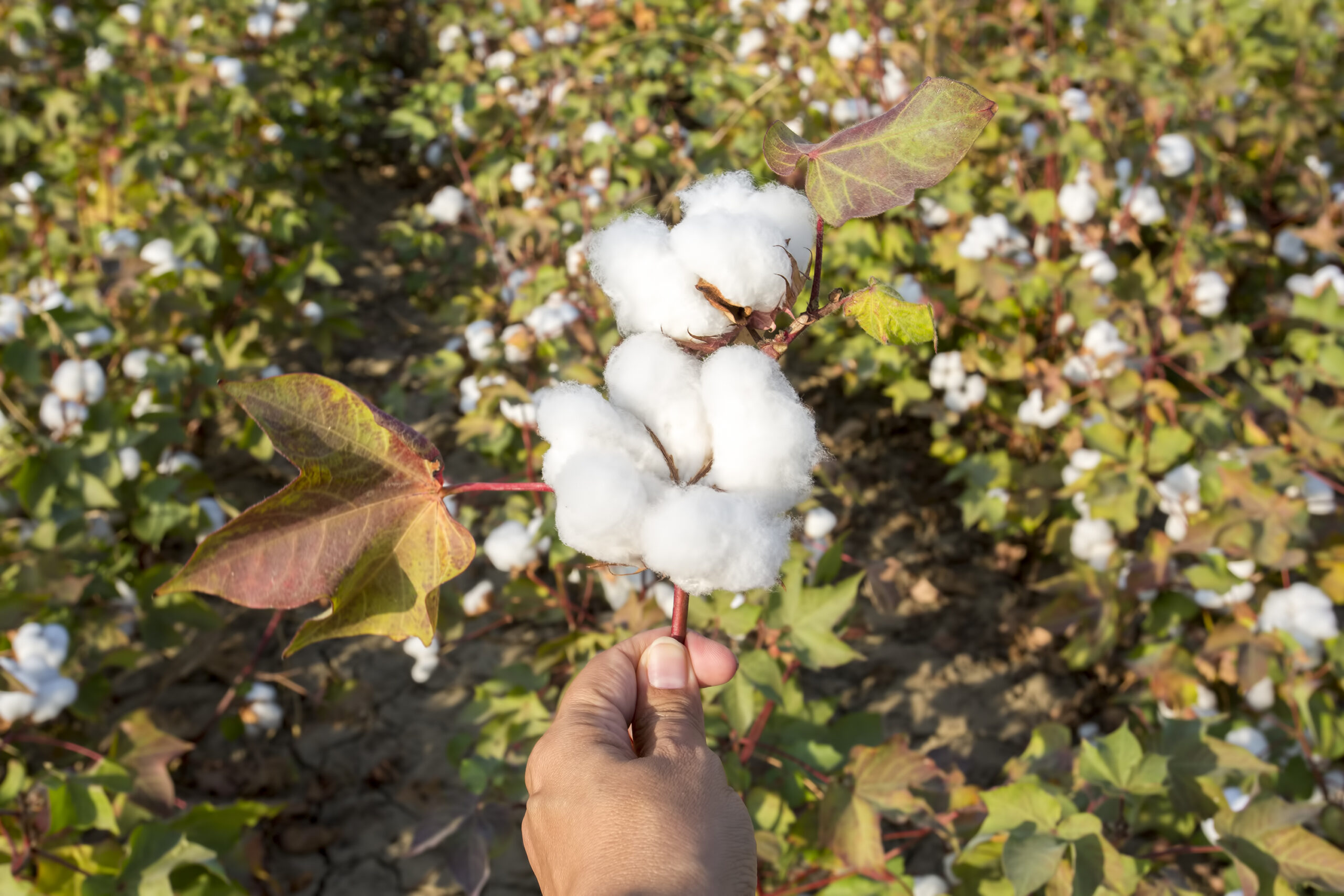
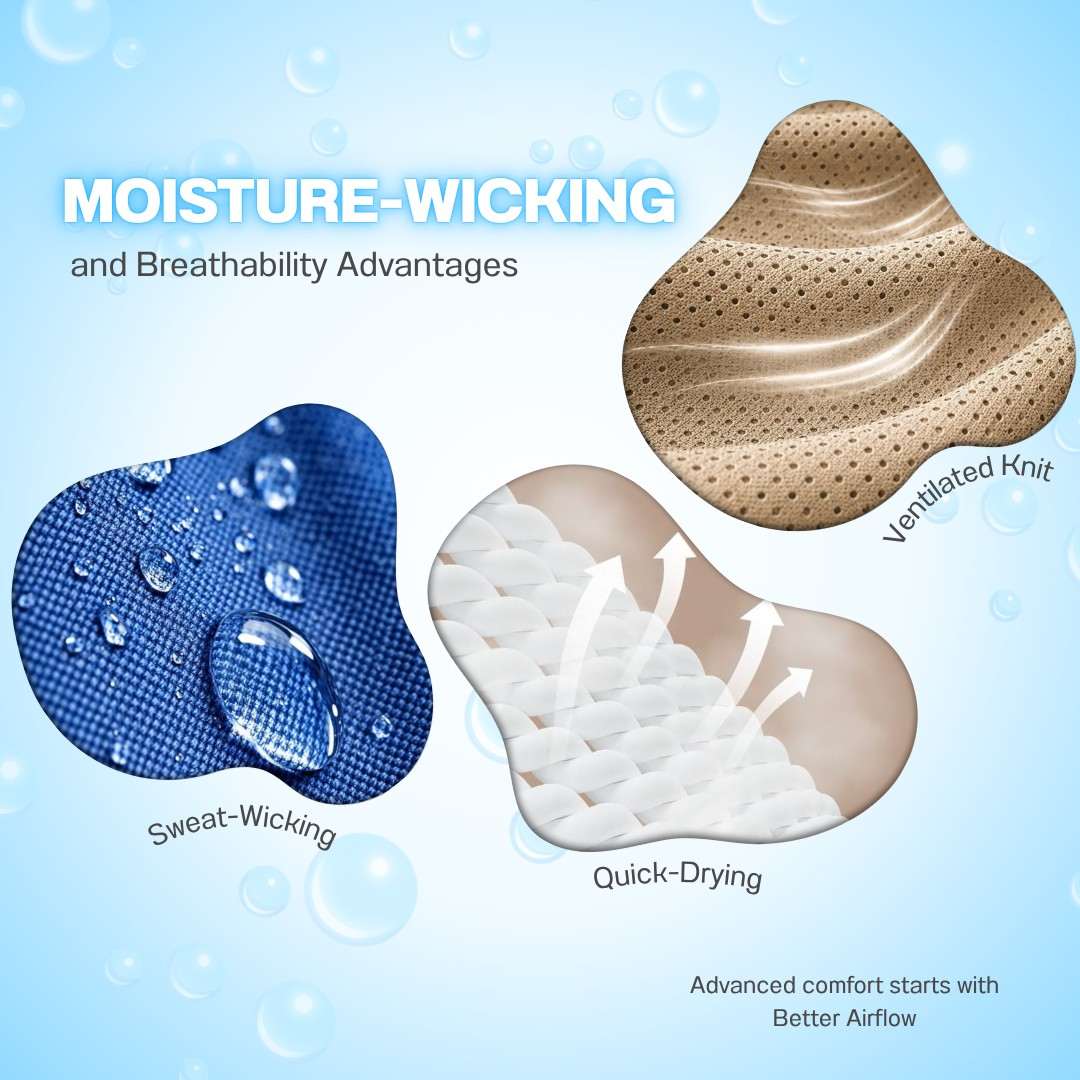
Premium Pilates socks are typically made from breathable blends of cotton, bamboo, or technical performance fibres that move moisture away from the skin rather than letting it accumulate. The feet stay drier, temperature is better regulated, and the sock continues to perform throughout the session rather than becoming progressively more uncomfortable.

There’s a hygiene dimension here too. Socks that manage moisture effectively are less hospitable to the bacterial growth that causes odour. For people who practise several times a week, that matters practically.

Arch Support  and Why It Changes the Workout
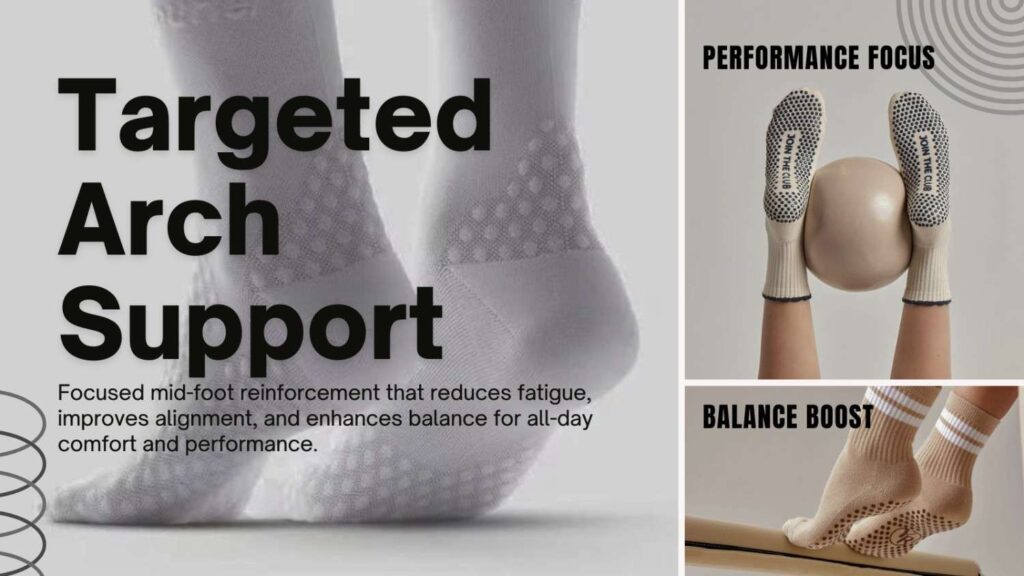
This is the feature that surprises people most when they first experience it. Regular socks offer no meaningful arch support; they’re just fabric that covers the foot. Many premium Pilates socks incorporate gentle compression around the arch, which does something quite specific: it holds the foot’s structure in place under load.

During exercises that challenge the arch, standing balances, single-leg work, and exercises on the reformer footbar, unsupported feet tend to pronate or supinate slightly under fatigue. That small collapse changes alignment all the way up through the ankle, knee, and hip. Arch compression in a well-made sock reduces that tendency, which means better alignment, reduced strain on supporting structures, and less foot fatigue over longer sessions.

It’s a subtle thing that you notice most when you don’t have it.

Construction Details That Affect Daily Comfort

The inside of a sock matters as much as the outside when you’re spending an hour in it barefoot. Seams across the toe area, standard construction in most regular socks, create pressure points that become distracting during extended wear. Premium Pilates socks typically use seamless toe construction, which eliminates this.

Similarly, the cuff design in quality Pilates socks is engineered to stay in place without digging in. An elastic cuff that’s too tight restricts circulation; one that’s too loose means the sock works its way down during the session. The right balance, firm enough to hold, comfortable enough to ignore, is something that good design from a trusted Pilates Socks Supplier gets right, and cheaper alternatives rarely do.

Reinforced heels and structured fit throughout the sock body make a difference too, particularly in reformer work where the feet interact with equipment in specific ways.

Hygiene in a Shared Studio Environment

Studio floors and reformer machines see a lot of bare feet. Even with regular cleaning, shared equipment carries a hygiene consideration that Pilates socks address directly. Wearing them creates a consistent barrier between your skin and surfaces that many other people have used, which is why an increasing number of studios have moved from recommending grip socks to requiring them.

This isn’t just about personal preference. It’s a practical response to the reality of shared equipment in a busy studio environment. From that perspective, a good pair of Pilates socks is as much a hygiene product as it is a performance accessory.

Fit and Function Are Inseparable

Grip technology only works properly when the sock fits well. A sock that bunches under the arch shifts the grip elements away from where they’re needed. One that’s slightly too large creates folds that interfere with the tactile feedback between foot and surface. Premium Pilates socks are designed with a close, anatomical fit that keeps everything where it should be throughout the session.

This isn’t just about performance; it’s about not thinking about your socks during a workout. The best athletic gear disappears from awareness so you can focus on what you’re actually doing. A well-fitted Pilates sock achieves that.

More Than Just Pilates

Despite the name, these socks have found a much broader audience. The combination of grip, support, and breathable construction makes them well-suited to a range of activities where barefoot or near-barefoot movement is involved:

  • Yoga – particularly on smooth studio floors or travel mats
  • Barre classes – where footwork precision is central to the exercise
  • ● Dance training –  floor work and movement drills
  • ● Physiotherapy—balance and gait rehabilitation on clinic floors
  • ● Home workouts – on wood, laminate, or tiled surfaces
  • Rehabilitation exercises where stability confidence matters during recovery

For anyone who moves regularly across these kinds of activities, a quality pair of Pilates socks is a genuinely versatile kit. Products developed by an experienced pilates socks manufacturer for studio use tend to translate well across all of them, because the underlying requirements grip, fit, comfort, and hygiene are consistent.

FAQs:

1. What are premium Pilates socks, and do I actually need them?

They’re grip socks engineered specifically for studio-based exercise with non-slip soles, breathable materials, and a close fit. Whether you need them depends on where you practise. On a polished studio floor or shared reformer equipment, they make a genuine difference. On carpet at home, less so.

2. How are they actually different from regular socks?

The grip sole is the most visible difference, but the full list includes: moisture-wicking materials that stay comfortable throughout a session, arch compression for better alignment, seamless toe construction to eliminate pressure points, and a close fit that keeps the grip elements exactly where they need to be.

3. Why do they have grip soles rather than just being rubberised?

Strategic silicone grip placement increases traction at the points where the foot applies most pressure, without covering the entire sole. Full-sole rubber would restrict the natural flex and articulation that Pilates requires. The targeted approach gives you traction where it matters and flexibility everywhere else.

4. Can they actually help prevent injuries?

They reduce the specific risk of slipping on smooth surfaces, which is where most studio-based falls begin. They also support better alignment, which reduces strain accumulation over longer sessions. They’re a useful part of training safely, not a substitute for technique.

5. What materials should I look for?

Cotton or bamboo blends for breathability, elastane for shape retention and compression, and silicone for the grip elements. The quality of the grip material matters, particularly because it determines how long the traction lasts through washing and regular use.

6. How should I wash them?

Cool or lukewarm water, mild detergent, and either air drying or a low-heat tumble dry cycle. High heat is the main enemy of both silicone grip integrity and elastic recovery; avoid it.

7. How long should a quality pair last?

With proper care and regular but not excessive use, several months to well over a year is realistic. The grip elements tend to be the first thing to show wear if they start to peel or the traction noticeably reduces, that’s the signal to replace.

Reach out at info@texcyle.co or Call Us Today +917982201014 and explore what Texcyle can do for your brand.

Leave a Reply

Your email address will not be published. Required fields are marked *

Pilates socks manufacturers know something that most people don’t think about until they’re halfway through a class on a polished studio floor: not all socks are created equal, and the gap between a regular pair and one built for Pilates is bigger than it looks. On the surface, they’re both socks. In practice, the differences show up immediately in how your feet feel during balance work, how confidently you move on a reformer, and whether you’re constantly adjusting your footing or actually focusing on the exercise.

As Pilates has grown well beyond specialist studios and into gyms, wellness centres, and home routines, more people are discovering that the right footwear matters. Here’s why premium Pilates socks earn their place in a kit bag.

The Safety Gap Is Real

Standard socks are smooth on the bottom. That’s fine for carpet or for inside shoes, but put them on a hardwood studio floor or a vinyl mat, and they become genuinely slippery. Most people who’ve taken a Pilates class in regular socks have experienced that uncomfortable moment where a foot slides slightly during a controlled movement, enough to break concentration, enough to cause a stumble, potentially.

Premium Pilates socks address this with grip patterns on the soles, usually silicone-based and designed specifically for the surfaces found in fitness studios. The traction they provide isn’t as dramatic as a rubber sole; it’s subtle and responsive, allowing natural foot movement while eliminating the sliding that undermines control.

For exercises that require precise balance or that challenge stability deliberately, that grip isn’t a luxury. It’s what lets you focus on the movement rather than on staying upright. Many leading pilates socks manufacturer brands design their grip patterns specifically around studio environments, testing them on the kinds of surfaces practitioners actually use.

Grip Technology: What’s Actually Under Your Foot

The grip sole is the most visible difference between Pilates socks and regular socks, and it’s worth understanding what good grip technology actually looks like. The best versions use high-quality silicone placed at the points where the foot applies most pressure, typically the ball, the heel, and sometimes the arch, rather than covering the entire sole uniformly.

This targeted placement matters because the foot needs to move naturally. A sole covered entirely in grip material can restrict the way the foot flexes and articulates, which is counterproductive in a discipline built around precise, controlled movement. Strategically placed grips maintain traction where it’s needed without interfering with natural biomechanics.

For retailers, studios, and fitness brands that source through a Pilates Socks Supplier, grip durability is the follow-up question that matters most. Silicone grips that peel or wear thin after a few washes undermine the whole point. Good manufacturing shows up in how long the grip holds its integrity through regular use and washing.

What Better Balance Actually Feels Like

Pilates is fundamentally about the relationship between stability and movement. The whole system depends on being able to activate specific muscle groups precisely, and that precision starts with having a stable base. When feet slip even slightly, even briefly, the body compensates in ways that distort the movement chain and reduce the effectiveness of the exercise.

Grip socks give you a more reliable connection with the surface you’re working on. Experienced practitioners often describe this as improved proprioception, a clearer sense of where the foot is and how it’s loaded at any given moment. Whether you’re doing lunges, bridging, side-lying work, or reformer exercises, that clarity in the feet translates directly into better technique through the entire body.

Why Materials Matter More Than You’d Think

A Pilates session is physically demanding in a specific way: sustained, controlled effort over 45 to 60 minutes that generates steady heat without the high-intensity bursts that other workouts produce. Feet get warm. Sweating is normal. In regular socks, that moisture sits against the skin, making the sock feel uncomfortable and, in some cases, actually reducing grip effectiveness as the material dampens.

Premium Pilates socks are typically made from breathable blends of cotton, bamboo, or technical performance fibres that move moisture away from the skin rather than letting it accumulate. The feet stay drier, temperature is better regulated, and the sock continues to perform throughout the session rather than becoming progressively more uncomfortable.

There’s a hygiene dimension here too. Socks that manage moisture effectively are less hospitable to the bacterial growth that causes odour. For people who practise several times a week, that matters practically.

Arch Support  and Why It Changes the Workout

This is the feature that surprises people most when they first experience it. Regular socks offer no meaningful arch support; they’re just fabric that covers the foot. Many premium Pilates socks incorporate gentle compression around the arch, which does something quite specific: it holds the foot’s structure in place under load.

During exercises that challenge the arch, standing balances, single-leg work, and exercises on the reformer footbar, unsupported feet tend to pronate or supinate slightly under fatigue. That small collapse changes alignment all the way up through the ankle, knee, and hip. Arch compression in a well-made sock reduces that tendency, which means better alignment, reduced strain on supporting structures, and less foot fatigue over longer sessions.

It’s a subtle thing that you notice most when you don’t have it.

Construction Details That Affect Daily Comfort

The inside of a sock matters as much as the outside when you’re spending an hour in it barefoot. Seams across the toe area, standard construction in most regular socks, create pressure points that become distracting during extended wear. Premium Pilates socks typically use seamless toe construction, which eliminates this.

Similarly, the cuff design in quality Pilates socks is engineered to stay in place without digging in. An elastic cuff that’s too tight restricts circulation; one that’s too loose means the sock works its way down during the session. The right balance, firm enough to hold, comfortable enough to ignore, is something that good design from a trusted Pilates Socks Supplier gets right, and cheaper alternatives rarely do.

Reinforced heels and structured fit throughout the sock body make a difference too, particularly in reformer work where the feet interact with equipment in specific ways.

Hygiene in a Shared Studio Environment

Studio floors and reformer machines see a lot of bare feet. Even with regular cleaning, shared equipment carries a hygiene consideration that Pilates socks address directly. Wearing them creates a consistent barrier between your skin and surfaces that many other people have used, which is why an increasing number of studios have moved from recommending grip socks to requiring them.

This isn’t just about personal preference. It’s a practical response to the reality of shared equipment in a busy studio environment. From that perspective, a good pair of Pilates socks is as much a hygiene product as it is a performance accessory.

Fit and Function Are Inseparable

Grip technology only works properly when the sock fits well. A sock that bunches under the arch shifts the grip elements away from where they’re needed. One that’s slightly too large creates folds that interfere with the tactile feedback between foot and surface. Premium Pilates socks are designed with a close, anatomical fit that keeps everything where it should be throughout the session.

This isn’t just about performance; it’s about not thinking about your socks during a workout. The best athletic gear disappears from awareness so you can focus on what you’re actually doing. A well-fitted Pilates sock achieves that.

More Than Just Pilates

Despite the name, these socks have found a much broader audience. The combination of grip, support, and breathable construction makes them well-suited to a range of activities where barefoot or near-barefoot movement is involved:

  • Yoga – particularly on smooth studio floors or travel mats
  • Barre classes – where footwork precision is central to the exercise
  • ● Dance training –  floor work and movement drills
  • ● Physiotherapy—balance and gait rehabilitation on clinic floors
  • ● Home workouts – on wood, laminate, or tiled surfaces
  • Rehabilitation exercises where stability confidence matters during recovery

For anyone who moves regularly across these kinds of activities, a quality pair of Pilates socks is a genuinely versatile kit. Products developed by an experienced pilates socks manufacturer for studio use tend to translate well across all of them, because the underlying requirements grip, fit, comfort, and hygiene are consistent.

FAQs:

1. What are premium Pilates socks, and do I actually need them?

They’re grip socks engineered specifically for studio-based exercise with non-slip soles, breathable materials, and a close fit. Whether you need them depends on where you practise. On a polished studio floor or shared reformer equipment, they make a genuine difference. On carpet at home, less so.

2. How are they actually different from regular socks?

The grip sole is the most visible difference, but the full list includes: moisture-wicking materials that stay comfortable throughout a session, arch compression for better alignment, seamless toe construction to eliminate pressure points, and a close fit that keeps the grip elements exactly where they need to be.

3. Why do they have grip soles rather than just being rubberised?

Strategic silicone grip placement increases traction at the points where the foot applies most pressure, without covering the entire sole. Full-sole rubber would restrict the natural flex and articulation that Pilates requires. The targeted approach gives you traction where it matters and flexibility everywhere else.

4. Can they actually help prevent injuries?

They reduce the specific risk of slipping on smooth surfaces, which is where most studio-based falls begin. They also support better alignment, which reduces strain accumulation over longer sessions. They’re a useful part of training safely, not a substitute for technique.

5. What materials should I look for?

Cotton or bamboo blends for breathability, elastane for shape retention and compression, and silicone for the grip elements. The quality of the grip material matters, particularly because it determines how long the traction lasts through washing and regular use.

6. How should I wash them?

Cool or lukewarm water, mild detergent, and either air drying or a low-heat tumble dry cycle. High heat is the main enemy of both silicone grip integrity and elastic recovery; avoid it.

7. How long should a quality pair last?

With proper care and regular but not excessive use, several months to well over a year is realistic. The grip elements tend to be the first thing to show wear if they start to peel or the traction noticeably reduces, that’s the signal to replace.

Reach out at info@texcyle.co or Call Us Today +917982201014 and explore what Texcyle can do for your brand.

Leave a Reply

Your email address will not be published. Required fields are marked *